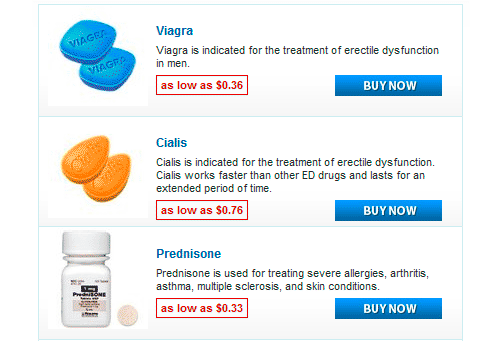

Considering Viagra? For many healthy men, improved sexual performance is achievable. This guide provides clear, concise information to help you make informed decisions. We’ll discuss potential benefits, address common concerns, and offer practical advice.
Improved Erections: Viagra’s primary function is enhancing blood flow to the penis, leading to firmer, more sustained erections. This is particularly helpful for men experiencing occasional erectile dysfunction, even without underlying health issues. Studies show a significant improvement rate, typically exceeding 70%, in achieving and maintaining erections suitable for sexual intercourse. However, remember that Viagra is not a performance enhancer; it aids in achieving a natural response.
Important Note: While generally safe for healthy men, Viagra isn’t suitable for everyone. Pre-existing health conditions, such as heart problems or high blood pressure, require careful consideration and consultation with a physician. Interactions with certain medications are also possible. Always speak with your doctor before starting any new medication, including Viagra. They can assess your individual needs and advise on the safest and most appropriate course of action.
- Viagra for Healthy Men: A Comprehensive Guide
- Understanding Viagra’s Mechanism of Action
- cGMP’s Role in Erection
- Viagra’s Inhibitory Action
- Important Considerations
- Viagra and Enhanced Sexual Performance: Expectations vs. Reality
- Viagra Dosage and Administration: A Practical Overview
- Common Side Effects of Viagra and How to Manage Them
- Viagra and Other Medications: Potential Interactions
- Viagra Alternatives: Exploring Other Treatment Options
- Lifestyle Changes and Natural Remedies
- Other Medical Interventions
- When to Consult a Doctor Before Taking Viagra
- Maintaining a Healthy Lifestyle for Optimal Sexual Health
Viagra for Healthy Men: A Comprehensive Guide
Consult your doctor before using Viagra, especially if you have underlying health conditions.
Viagra, or sildenafil, improves blood flow to the penis, aiding in achieving and maintaining an erection. It’s crucial to understand how it works and potential side effects. Remember, Viagra isn’t a performance enhancer; it assists men experiencing erectile dysfunction.
- How it works: Viagra inhibits an enzyme called PDE5, increasing levels of cGMP, a molecule that relaxes blood vessels in the penis.
- Dosage: Your doctor will determine the appropriate dosage, typically starting with 50mg. Dosage adjustments may be needed based on individual response and side effects.
- Timing: Take Viagra about an hour before anticipated sexual activity. The effects typically last for 4-5 hours.
Common side effects include headache, flushing, nasal congestion, and visual disturbances. These are usually mild and temporary. More serious side effects are rare but require immediate medical attention. These include chest pain, sudden vision loss, or prolonged erection (priapism).
- Precautions: Avoid taking Viagra with nitrates (used to treat chest pain) or certain other medications. Inform your doctor about all medications and supplements you’re taking.
- Alcohol interaction: Excessive alcohol consumption can interfere with Viagra’s effectiveness and increase the risk of side effects.
- Food interaction: High-fat meals may delay the onset of Viagra’s effects.
Viagra is not suitable for everyone. Individuals with certain heart conditions, low blood pressure, or severe liver or kidney problems should avoid its use. Your doctor can assess your suitability for Viagra and discuss alternative treatment options if necessary.
Regular exercise, a healthy diet, and stress management are vital for overall sexual health. Addressing underlying health issues can often improve erectile function without medication. Always prioritize open communication with your doctor regarding sexual health concerns.
Understanding Viagra’s Mechanism of Action
Viagra (sildenafil) works by inhibiting a specific enzyme called phosphodiesterase-5 (PDE5). This enzyme normally breaks down a crucial molecule called cyclic GMP (cGMP).
cGMP’s Role in Erection
cGMP plays a key role in achieving and maintaining an erection. When sexually stimulated, nitric oxide (NO) is released, increasing cGMP levels. This increase in cGMP relaxes the smooth muscles in the blood vessels of the penis, allowing increased blood flow, resulting in an erection.
Viagra’s Inhibitory Action
By blocking PDE5, Viagra prevents the breakdown of cGMP. This leads to higher and more sustained levels of cGMP, facilitating enhanced blood flow to the penis and promoting erections.
Important Considerations
Note: Viagra’s effect depends on sexual stimulation. It doesn’t automatically cause an erection. It simply enhances the body’s natural response to sexual stimulation.
Consult your doctor before using Viagra, especially if you have underlying health conditions like heart problems or high blood pressure. They can assess your suitability for the medication and discuss potential side effects.
Viagra and Enhanced Sexual Performance: Expectations vs. Reality
Viagra helps many men achieve erections, but its impact varies significantly. Manage expectations realistically.
- Viagra doesn’t increase libido: It only treats erectile dysfunction; it doesn’t boost your sex drive. If you lack desire, Viagra won’t help.
- Erections aren’t guaranteed: Success depends on several factors, including your overall health, the dosage, and the presence of other health issues. It works for about 70% of men, but not for everyone.
- Side effects exist: Headaches, facial flushing, and indigestion are common. Serious side effects are rare but possible. Always consult a doctor.
To maximize your chances of success:
- Talk to your doctor: Discuss your medical history and any other medications you take. Your doctor can determine the correct dosage and identify potential risks.
- Follow dosage instructions: Taking more Viagra than prescribed won’t necessarily lead to better results and could increase the risk of side effects.
- Be patient: It may take a few attempts to find the right dosage and timing that works best for you.
- Address underlying health issues: Conditions like heart disease, diabetes, and high blood pressure can affect erectile function. Managing these conditions can improve erectile function.
- Consider other treatments: If Viagra isn’t effective, your doctor may suggest alternative treatments, such as Cialis or injections.
Realistic expectations lead to better outcomes. Viagra can significantly improve sexual function for many men, but it’s not a magic bullet. Open communication with your doctor is key.
Viagra Dosage and Administration: A Practical Overview
Start with the lowest dose (25mg) to assess tolerance. The recommended starting dose for most men is 50mg.
Take Viagra about one hour before sexual activity. Absorption and effect may vary depending on individual factors.
- Dosage Adjustments: Your doctor might adjust the dose based on your response and any side effects. Higher doses (100mg) are sometimes used, but only under medical supervision.
- Frequency: The maximum recommended dose is one 100mg tablet per day. Don’t exceed this.
- Timing: Taking Viagra with a high-fat meal can slightly delay its onset of action.
Viagra should be swallowed whole with a glass of water.
- Storage: Keep Viagra in a cool, dry place, away from moisture and direct sunlight.
- Disposal: Dispose of unused medication responsibly, following your pharmacist’s guidelines.
- Interactions: Certain medications interact with Viagra. Always inform your doctor of all medications and supplements you are currently taking.
Remember, this information is for guidance only. Always consult your physician before starting any medication, particularly Viagra. He or she can assess your individual health status and determine the most appropriate dosage and treatment plan.
Common Side Effects of Viagra and How to Manage Them
Viagra, while effective for many, can cause side effects. Headaches are common; staying hydrated and taking over-the-counter pain relievers often helps.
Facial flushing, another frequent occurrence, usually subsides on its own. Drinking plenty of water can assist.
Nasal congestion can be managed with saline nasal spray or decongestants. Always follow product instructions.
Visual disturbances, such as blurred vision or sensitivity to light, are less frequent but require attention. Avoid driving or operating machinery if affected. Consult your doctor if symptoms persist.
Indigestion or heartburn can be addressed with antacids. Avoid fatty or spicy foods before taking Viagra.
Muscle aches and back pain are relatively uncommon side effects; rest and over-the-counter pain relief might provide some comfort.
Dizziness is another potential side effect. Avoid strenuous activity and ensure you’re well-hydrated if experiencing dizziness.
More serious side effects, such as prolonged erection (priapism) or chest pain, require immediate medical attention. These are rare, but prompt action is critical.
| Side Effect | Management |
|---|---|
| Headache | Hydration, over-the-counter pain relievers |
| Facial Flushing | Hydration |
| Nasal Congestion | Saline spray, decongestants |
| Visual Disturbances | Avoid driving, consult doctor |
| Indigestion/Heartburn | Antacids, avoid fatty foods |
| Muscle Aches/Back Pain | Rest, over-the-counter pain relief |
| Dizziness | Hydration, avoid strenuous activity |
| Priapism/Chest Pain | Immediate medical attention |
Always discuss any side effects with your doctor. This information is for guidance only and does not replace professional medical advice.
Viagra and Other Medications: Potential Interactions
Always inform your doctor about all medications you’re taking, including over-the-counter drugs, supplements, and herbal remedies, before starting Viagra (sildenafil). This prevents dangerous interactions.
Nitrates: Combining Viagra with nitrates, often prescribed for chest pain (angina), can cause a dangerous drop in blood pressure. This combination should be strictly avoided.
Alpha-blockers: These medications, used to treat high blood pressure and enlarged prostate, can also lower blood pressure when taken with Viagra. Your doctor might adjust your dosages or suggest alternatives.
Certain Antidepressants: Some antidepressants, particularly SSRIs and SNRIs, can affect Viagra’s effectiveness or cause side effects. Discuss potential interactions with your prescribing physician.
Blood Thinners: While not a direct contraindication, the combination of Viagra and blood thinners warrants careful monitoring. Your doctor will assess your risk and provide guidance.
CYP3A4 Inhibitors: These medications, such as ketoconazole and erythromycin, can increase Viagra levels in your blood, potentially intensifying side effects. Your doctor may adjust the Viagra dose accordingly.
Other Medications: Many other medications can interact with Viagra. Open communication with your healthcare provider is key to safe and effective treatment. They can assess individual risk factors and provide tailored advice.
Never self-medicate. Always consult a physician before starting any new medication, particularly when you are already taking other drugs.
Viagra Alternatives: Exploring Other Treatment Options
Consider Cialis or Levitra. These medications, like Viagra, increase blood flow to the penis, improving erectile function. They offer different durations of effect; Cialis provides longer-lasting results, while Levitra offers a quicker onset. Discuss these options with your doctor to determine the best fit for your needs and medical history.
Lifestyle Changes and Natural Remedies
Regular exercise significantly improves cardiovascular health, a key factor in erectile function. Aim for at least 150 minutes of moderate-intensity aerobic activity per week. Maintaining a healthy weight reduces the risk of various health problems, including erectile dysfunction. A balanced diet rich in fruits, vegetables, and whole grains supports overall well-being. Some studies suggest that certain foods, like pomegranate juice, might offer benefits, but more research is needed. Stress management techniques, such as meditation or yoga, can also positively impact erectile function. Your physician can provide tailored advice.
Other Medical Interventions
Penile injections of vasodilators can help achieve an erection. Vacuum erection devices create a vacuum around the penis, drawing blood in and causing an erection. Penile implants are a surgical option providing a permanent solution for erectile dysfunction. Your doctor will discuss these options, explaining the risks and benefits, to help you make an informed decision.
When to Consult a Doctor Before Taking Viagra
Always talk to your doctor before using Viagra, especially if you have heart problems, low blood pressure, or have recently had a stroke or heart attack. This is crucial for your safety.
If you’re taking nitrates for chest pain, Viagra is a dangerous combination and should be avoided. Your doctor can help find a safe alternative.
Certain eye conditions, like retinitis pigmentosa, require a medical consultation before Viagra use, as it could worsen your condition.
Kidney or liver disease can affect how your body processes Viagra; discuss this with your doctor to determine appropriate dosage or alternative treatment.
Blood cell disorders like sickle cell anemia, multiple myeloma, or leukemia necessitate a doctor’s assessment before taking Viagra, due to potential complications.
If you have a history of priapism (a prolonged erection), immediate medical attention is needed, and Viagra should be avoided. Your doctor can explain the risks.
If you experience any unusual side effects after taking Viagra, contact your doctor immediately. This includes chest pain, sudden vision changes, or hearing problems.
Before starting Viagra, discuss any other medications you’re taking, including herbal supplements, with your physician to avoid harmful interactions.
Age can influence how your body reacts to Viagra. Older men may need a lower dose; your doctor will determine the safest dose for you.
Maintaining a Healthy Lifestyle for Optimal Sexual Health
Prioritize regular exercise. Aim for at least 150 minutes of moderate-intensity aerobic activity or 75 minutes of vigorous-intensity aerobic activity per week, combined with muscle-strengthening activities twice a week. This improves circulation, boosts energy levels, and contributes to overall well-being.
Maintain a balanced diet rich in fruits, vegetables, whole grains, and lean proteins. Limit saturated and trans fats, processed foods, and excessive sugar intake. A healthy diet supports hormone production and overall vascular health.
Manage stress effectively. Chronic stress negatively impacts sexual health. Incorporate stress-reducing techniques such as meditation, yoga, or spending time in nature. Consider professional help if needed.
Prioritize sufficient sleep. Aim for 7-9 hours of quality sleep nightly. Sleep deprivation can lower testosterone levels and reduce libido.
Hydrate adequately. Drink plenty of water throughout the day to maintain optimal bodily functions, including blood flow.
Limit alcohol consumption. Excessive alcohol use can impair sexual function.
Quit smoking. Smoking damages blood vessels and negatively affects sexual health. Seek support to quit if necessary.
Manage underlying health conditions. Conditions like diabetes, high blood pressure, and high cholesterol can impact sexual function. Work with your doctor to manage these conditions effectively.
| Nutrient | Benefits for Sexual Health | Food Sources |
|---|---|---|
| Zinc | Supports testosterone production | Oysters, pumpkin seeds, beef |
| Vitamin D | Plays a role in testosterone production | Fatty fish, egg yolks, fortified foods |
| L-arginine | May improve blood flow | Nuts, seeds, red meat |
Regular check-ups with your doctor are crucial for addressing any underlying health issues that may affect sexual health. Open communication with your doctor is essential for personalized advice and support.