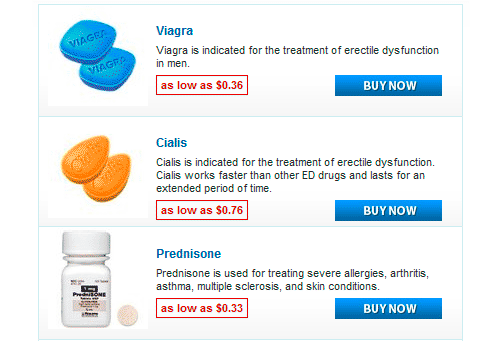

Need affordable prescription drugs? Consider Canada. Many Canadians and Americans utilize Canadian pharmacies for significant cost savings on brand-name and generic medications. This difference stems from government regulations and pricing structures unique to Canada.
Before you start, verify the pharmacy’s legitimacy. Look for licensing information from the appropriate Canadian regulatory bodies, such as the College of Pharmacists of British Columbia or equivalent provincial organizations. A reputable pharmacy will openly display this information on its website. Always check online reviews and independently confirm customer testimonials.
Understand the potential risks. While many Canadian pharmacies operate legally and ethically, counterfeit medications are a global concern. Safeguarding your health requires diligence. Use only pharmacies with established reputations and clear communication channels. Always consult your physician before starting or stopping any medication.
Remember that shipping times may vary. Factor this into your medication needs. Don’t wait until your prescription runs out before ordering refills. Proactive planning ensures uninterrupted access to your necessary medications. Explore different shipping options offered by the pharmacy to find one that best suits your needs.
Finally, always confirm your order details before submitting. Double-check dosages, medication names, and quantities to avoid potential errors. Maintain detailed records of your orders and interactions with the pharmacy for future reference.
- Canada Drug Pharmacy: A Comprehensive Guide
- Understanding Prescription Requirements
- Shipping and Delivery Times
- Payment Methods and Security
- Customer Service and Support
- Medication Safety and Quality
- Legality and Safety of Canadian Online Pharmacies
- Identifying Legitimate Pharmacies
- Protecting Yourself from Scams
- Finding Reputable Canadian Pharmacies: Verification and Due Diligence
- Cost Comparison: Canadian Drugs vs. US and Other International Prices
- Factors Influencing Price Differences
- Specific Examples
- Considerations Before Purchasing
- International Price Comparisons: A Snapshot
- Using Online Resources for Price Comparisons
- Disclaimer: This information is for general knowledge only and should not be considered medical advice. Always consult your doctor or pharmacist before making any changes to your medication regimen.
- Prescription Requirements and the Ordering Process: A Step-by-Step Guide
- Potential Risks and Benefits: Weighing the Pros and Cons
Canada Drug Pharmacy: A Comprehensive Guide
Verify the legitimacy of any Canadian pharmacy before ordering. Check their registration with the appropriate provincial regulatory bodies. Look for a physical address and contact information readily available on their website. Avoid pharmacies lacking these details.
Understanding Prescription Requirements
Canadian pharmacies require valid prescriptions from licensed medical professionals. Upload clear images of your prescription during the ordering process. Ensure the prescription clearly displays your name, medication details, and prescribing physician’s information. Contact the pharmacy directly if you have questions about prescription requirements.
Shipping and Delivery Times
Delivery times vary depending on your location and the selected shipping method. Most reputable pharmacies offer tracking information, allowing you to monitor your order’s progress. Expect typical delivery times to range from 7 to 21 days. Contact customer support for potential delays.
Payment Methods and Security
Secure payment gateways are crucial. Reputable pharmacies typically accept major credit cards and sometimes offer other options. Check for security indicators like SSL certificates (the padlock icon in your browser’s address bar). Never share personal or financial information on unsecured websites.
Customer Service and Support
Excellent customer service should be readily available. A legitimate Canadian pharmacy provides multiple contact channels, including phone, email, and live chat. Check online reviews to gauge the level of customer support. Responsive and helpful support suggests a reputable business.
Medication Safety and Quality
Canadian pharmacies adhere to strict regulations, ensuring medication quality and safety. However, independently verify the pharmacy’s adherence to these regulations through online searches and independent review sites. Report any concerns about medication quality to the relevant authorities.
Legality and Safety of Canadian Online Pharmacies
Choosing a Canadian online pharmacy requires careful consideration. While some operate legally and safely, others do not. Legitimate Canadian pharmacies are licensed by their provincial regulatory bodies and adhere to strict standards. You can verify a pharmacy’s license through the relevant provincial college of pharmacists’ website. Look for pharmacies displaying their license number prominently on their site. This step is critical to ensure you’re dealing with a reputable source.
Identifying Legitimate Pharmacies
Several factors indicate a legitimate operation. A secure website (HTTPS) protects your data. Clear contact information, including a physical address in Canada, is vital. Pharmacies should offer detailed prescription information, including drug details and potential side effects. Avoid pharmacies that solicit business via unsolicited emails or text messages – this is a common tactic of illegitimate sites. Be wary of unusually low prices; these may indicate counterfeit medications.
Protecting Yourself from Scams
Before ordering, research the pharmacy thoroughly. Check independent review sites for customer feedback. Look for reviews mentioning positive experiences with secure delivery and accurate medication. Read the pharmacy’s terms and conditions to understand their return policy and customer service protocols. Never share your personal or financial information unless you are certain of the site’s legitimacy. Reporting suspicious online pharmacies to Health Canada is recommended.
Finding Reputable Canadian Pharmacies: Verification and Due Diligence
Check the pharmacy’s registration with your provincial regulatory body. Each province maintains a list of licensed pharmacies; verify the pharmacy is listed there.
Look for a physical address. Legitimate Canadian pharmacies have a verifiable street address in Canada, not just a PO Box. Avoid those with only email or virtual addresses.
Inspect their website for security features. Look for a secure connection (HTTPS) and a privacy policy detailing data protection measures. Transparency is key.
Read independent reviews from verified customers. Websites like Trustpilot offer insight into customer experiences. Pay attention to both positive and negative reviews, looking for recurring themes.
| Verification Method | How to Check | What to Look For |
|---|---|---|
| Provincial Registration | Visit your province’s pharmacy regulator website. | Confirmation of license and operational status. |
| Physical Address | Examine the pharmacy’s “Contact Us” page. | A complete street address in Canada. |
| Website Security | Check the URL for “https” and examine the privacy policy. | Data encryption and a clear description of data handling. |
| Customer Reviews | Search reputable review sites. | Consistent positive feedback and transparent responses to negative comments. |
Contact the pharmacy directly with questions. A reputable pharmacy will readily answer your queries regarding their licensing, medication sourcing, and shipping processes.
Be wary of suspiciously low prices. Prices significantly lower than average could indicate counterfeit or substandard medications.
Never provide your personal or financial information without thorough verification. Ensure secure payment gateways are used before submitting any details.
Cost Comparison: Canadian Drugs vs. US and Other International Prices
Generally, prescription medications cost significantly less in Canada than in the United States. A recent study by the Canadian Institute for Health Information showed brand-name drugs averaging 50% cheaper in Canada. This disparity stems from government price controls and bulk purchasing negotiations. Generic drugs often show even greater savings.
Factors Influencing Price Differences
Several factors contribute to these price differences. Canada’s single-payer healthcare system negotiates lower prices with pharmaceutical companies. The US system, with its complex mix of private and public insurers, often lacks such bargaining power, resulting in higher prices for consumers. International pricing also varies, with some countries having stricter regulations or greater government involvement in drug pricing than others.
Specific Examples
For instance, a popular cholesterol medication might cost $200 in the US, but only $100 in Canada. Similarly, certain diabetes medications might see a 60% price reduction when purchased from a Canadian pharmacy. However, individual drug costs are dynamic and depend on the specific medication, dosage, and supplier. Always check current prices with multiple pharmacies.
Considerations Before Purchasing
While savings are substantial, consumers should be aware of potential import restrictions. Verify that importing medications from Canada is legal in your country of residence. Also, ensure you’re purchasing from a reputable, licensed pharmacy to avoid counterfeit or substandard drugs. Consult your doctor before switching medications or pharmacies.
International Price Comparisons: A Snapshot
While Canadian prices represent a significant advantage over the US, other countries offer different cost structures. Many European nations also leverage government regulation to keep drug prices relatively low, while prices in some developing countries may be significantly lower, although quality assurance can be a bigger concern. Therefore, thorough research is crucial.
Using Online Resources for Price Comparisons
Several reliable online resources offer comparative pricing information for medications. These tools can help you efficiently compare costs across various countries and pharmacies. Remember that these are estimates, and final prices might vary. Always confirm prices directly with the pharmacy before ordering.
Disclaimer: This information is for general knowledge only and should not be considered medical advice. Always consult your doctor or pharmacist before making any changes to your medication regimen.
Prescription Requirements and the Ordering Process: A Step-by-Step Guide
First, obtain a valid prescription from your doctor. This prescription must clearly state the medication name, dosage, quantity, and the prescribing doctor’s information. Fax or upload a clear copy to the pharmacy.
Next, create an account on the Canadian pharmacy’s website. Provide accurate personal and shipping details. Verify your information carefully; this ensures timely delivery.
Then, select your medication from their online catalog. Confirm your prescription details match the online order. Review the total cost before proceeding to checkout.
After that, choose a secure payment method from their available options. Most reputable pharmacies accept credit cards and other common payment gateways.
Finally, track your order’s status through the pharmacy’s website or app. Expect delivery within the timeframe specified. Contact customer service if you have any questions or concerns.
Potential Risks and Benefits: Weighing the Pros and Cons
Canadian online pharmacies offer potential savings, but careful consideration of risks is vital. Lower drug prices are a significant advantage, potentially saving hundreds or even thousands of dollars annually, especially for those with chronic conditions requiring ongoing medication. This can significantly improve affordability and access to necessary treatments.
However, several factors demand attention:
- Legitimacy Verification: Confirm the pharmacy’s licensing and registration with Canadian authorities. Look for a physical address in Canada and verify it independently. Counterfeit medications are a serious concern, posing significant health risks.
- Shipping and Customs: Understand potential delays or complications with international shipping and customs regulations. Be aware of any import restrictions in your country. Shipping times can vary considerably.
- Prescription Requirements: Ensure the pharmacy requires a valid prescription from a licensed physician. Avoid pharmacies that offer medications without a prescription; this is illegal and dangerous.
- Privacy and Security: Check the pharmacy’s privacy policy and security measures to protect your personal and medical information. Look for secure payment gateways (HTTPS).
- Medication Quality: While many Canadian pharmacies are reputable, verifying the source and quality of medications is crucial to avoid potential health complications.
- Customer Service: Research the pharmacy’s reputation for customer service and responsiveness to inquiries. Access to reliable support is essential if problems arise.
To minimize risks:
- Research thoroughly: Check online reviews and ratings from multiple sources. Look for independent verification of the pharmacy’s credentials.
- Consult your doctor: Discuss your intentions to purchase medication from a Canadian online pharmacy. Your physician can offer guidance and address any concerns about medication safety and efficacy.
- Use secure payment methods: Avoid using unsecured payment methods or sharing your personal information unnecessarily.
- Report suspicious activity: If you encounter any issues with a pharmacy, report them to the appropriate authorities.
Ultimately, the decision rests on a careful assessment of individual needs, financial circumstances, and a commitment to mitigating potential risks. Prioritize safety and legality above all else.