Need information about the four-hour claim associated with Viagra and former President Clinton? Let’s address it directly. The claim that President Clinton used Viagra for four hours is unsubstantiated and lacks credible evidence. No reputable sources confirm this. Focus instead on understanding Viagra’s actual effects and proper usage.
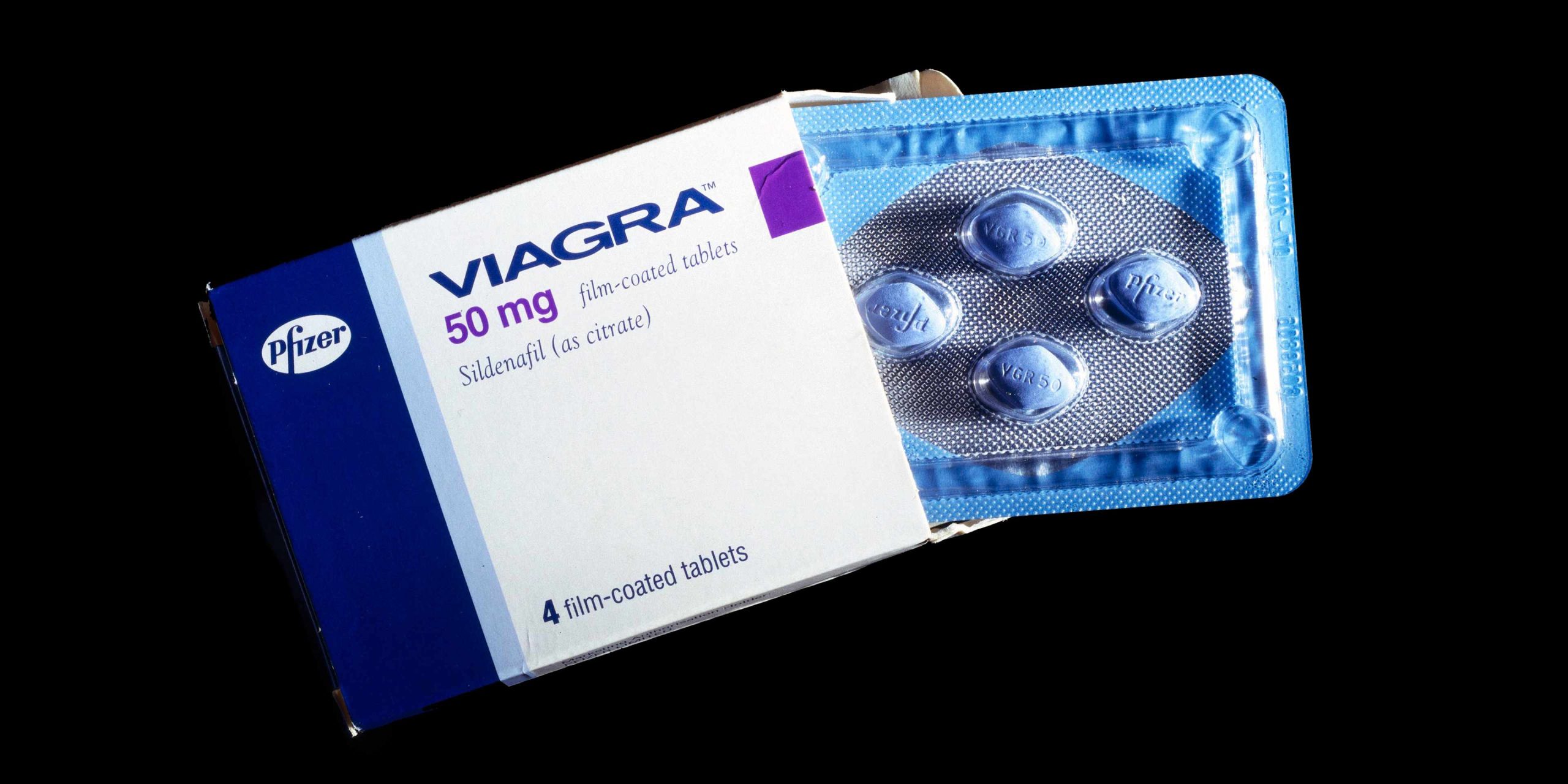
Viagra, or sildenafil, is a prescription medication treating erectile dysfunction. Its effects typically last four to five hours, but this varies depending on individual factors like metabolism and dosage. Crucially, the duration of effect does not equate to continuous, sustained erection for the entire period. Rather, it means the ability to achieve an erection within that timeframe following sexual stimulation.
Always consult a physician before taking Viagra. Self-medicating is dangerous and may result in adverse health consequences. Your doctor can assess your suitability for Viagra and discuss potential side effects and drug interactions. They will also provide accurate information about appropriate dosage and expected effects.
Clinton Viagra 4 Hours: Debunking the Myth
The claim of President Clinton using Viagra for four hours is unsubstantiated and lacks credible evidence. Such claims often circulate as rumors or satire, lacking verifiable sources.
Reliable medical information emphasizes that Viagra’s effects vary significantly depending on individual factors. While the drug’s effects can last several hours, a four-hour duration isn’t exceptionally unusual, nor does it indicate misuse or excessive dosage. Any claim exceeding typical reported effects requires rigorous examination.
Reputable sources for accurate sexual health information include the Mayo Clinic, the National Institutes of Health, and similar organizations. Consult these resources for evidence-based knowledge and avoid unreliable online sources spreading misinformation.
Spread of unsubstantiated claims can be harmful, leading to unnecessary anxiety and potentially influencing treatment decisions. Always prioritize reliable sources for health information and treat rumors and unsubstantiated stories with caution. Critical thinking helps discern fact from fiction.
If you have concerns about erectile dysfunction or other sexual health issues, seek guidance from a qualified healthcare professional. They can provide personalized advice, accurate information, and safe treatment options.
Understanding the Origin and Spread of the Rumor
Pinpointing the exact origin of the “Clinton Viagra 4 hours” rumor proves difficult. However, its proliferation likely stems from several contributing factors.
- Political Satire and Parody: Early instances may have appeared in satirical news sources or online forums, designed to lampoon political figures. The absurdity of the claim likely aided its spread through sharing and reposting.
- Social Media Amplification: Platforms like Twitter and Facebook provided ideal environments for rapid dissemination. Users, regardless of belief, shared the story for humorous, shocking, or partisan reasons, significantly boosting visibility.
- Lack of Fact-Checking: The initial lack of widespread fact-checking allowed the rumor to gain traction before corrections could be effectively disseminated. This highlights the challenges of combating misinformation in the rapidly evolving digital space.
- Pre-existing Biases: Individuals predisposed to disliking Clinton might have been more inclined to accept and share the rumor, regardless of veracity, aligning with existing beliefs.
The rumor’s spread showcases the power of online echo chambers and the difficulty of controlling narrative in a digital environment. Analyzing its trajectory helps understand the mechanisms of misinformation and strategies for countering false narratives.
- Debunking efforts: Fact-checking websites and news organizations played a crucial role in refuting the rumor, but their reach often lags behind the initial spread.
- Media Literacy: Improving media literacy skills among the public is vital for recognizing and resisting misinformation. Critically assessing sources and verifying information before sharing are key.
- Platform Accountability: Social media companies bear some responsibility for addressing the spread of false information on their platforms, requiring proactive content moderation.
Ultimately, understanding how the rumor originated and spread offers valuable insights into the dynamics of misinformation, emphasizing the need for greater media literacy and responsible online behavior.
The Medical Reality of Viagra and its Effects
Viagra, or sildenafil, works by increasing blood flow to the penis. This happens because it inhibits an enzyme called phosphodiesterase-5 (PDE5), allowing nitric oxide to relax blood vessels. This increased blood flow facilitates an erection in response to sexual stimulation. The effects typically begin within 30-60 minutes and last for 4-5 hours. However, individual responses vary.
Dosage and Administration
Viagra comes in various dosages (25mg, 50mg, 100mg). Your doctor determines the appropriate starting dose based on your health and medical history. It’s crucial to follow your doctor’s instructions regarding dosage and frequency. Never exceed the recommended dose. Viagra is usually taken orally with or without food, approximately one hour before anticipated sexual activity.
Side Effects and Precautions
Common side effects include headache, flushing, nasal congestion, and visual disturbances. More serious, though rare, side effects include sudden vision loss, hearing loss, and prolonged erection (priapism). Men with heart conditions, low blood pressure, or liver/kidney problems should consult their doctor before using Viagra. It shouldn’t be combined with nitrates. This interaction can cause a dangerous drop in blood pressure. Inform your doctor about all medications you are taking.
The Importance of Fact-Checking and Responsible Information Sharing
Verify information from multiple reputable sources before sharing. Cross-reference claims with established news organizations, academic journals, or government websites.
Consider the source’s potential biases. Identify the author’s affiliations and funding sources to assess potential conflicts of interest. Look for transparency in methodology.
Check the date of publication. Outdated information can be misleading, especially in rapidly changing fields like medicine or technology. Seek the most current data.
Examine the evidence presented. Is the information supported by credible data, statistics, and citations? Be wary of unsubstantiated claims or anecdotal evidence.
If unsure, refrain from sharing. Sharing misinformation can have serious consequences. It’s better to wait for confirmation than spread inaccurate information.
Use critical thinking skills. Analyze the information’s logic and consistency. Question assumptions and identify logical fallacies.
Report misinformation. If you encounter false or misleading information online, report it to the platform. Many platforms have mechanisms for flagging and removing problematic content.
Promote media literacy. Educate yourself and others on how to identify misinformation. Develop strong fact-checking habits.
Understand the impact of your actions. Your shares influence the spread of information. Be mindful of the potential consequences of sharing unverified information.