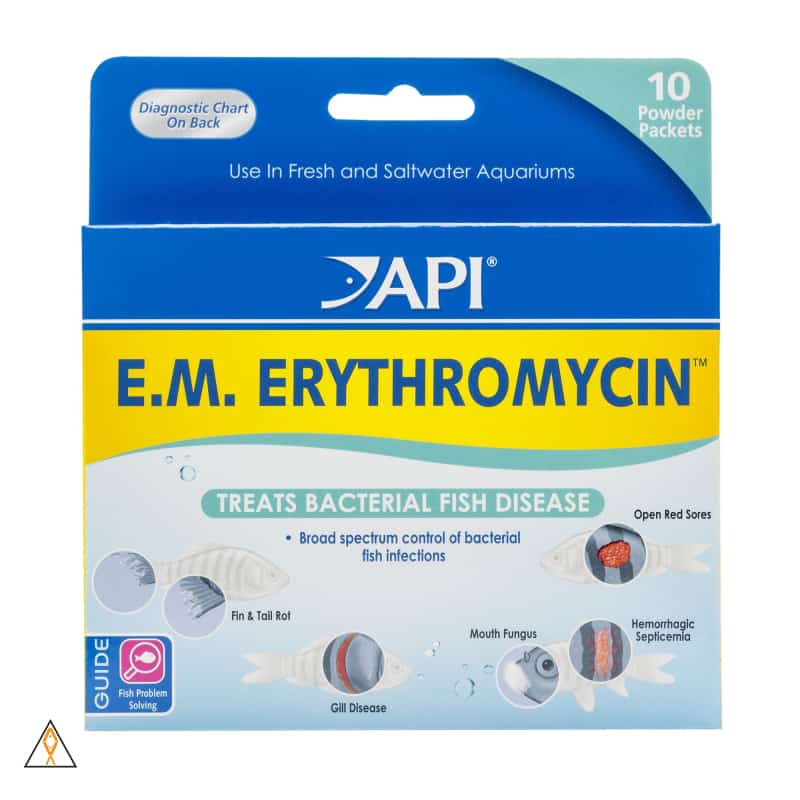
Need to treat bacterial infections in your fish? Erythromycin capsules, specifically formulated for aquatic use, offer a targeted solution. Dosage depends heavily on the fish species, infection severity, and water parameters; always consult a veterinarian specializing in aquatic animals for precise instructions. Incorrect dosage can harm your fish, so accurate measurement is key.
Always follow the instructions provided by your veterinarian or the product packaging meticulously. Begin treatment immediately upon diagnosis of a bacterial infection. Monitor your fish closely for any adverse reactions, such as loss of appetite or lethargy. Observe water quality diligently and ensure proper filtration throughout the treatment process.
Remember, erythromycin capsules are only one part of a holistic approach to fish health. Maintain pristine water conditions, provide a balanced diet, and quarantine affected fish to prevent the spread of infection. Regular water testing for ammonia, nitrite, and nitrate levels will support overall fish well-being. Proactive care is significantly more effective than reactive treatment.
Note: This information is for guidance only and does not replace professional veterinary advice. Always seek professional help for accurate diagnosis and treatment plans. Improper use of medication can be detrimental to your fish’s health.
Fish Erythromycin Capsules: A Comprehensive Guide
Always consult your veterinarian before administering any medication to your fish.
Erythromycin is a broad-spectrum antibiotic effective against various bacterial infections common in aquarium fish. It targets gram-positive bacteria, often responsible for fin rot, bacterial infections, and other ailments. However, it’s not a cure-all; proper diagnosis is key.
- Dosage: Dosage varies significantly depending on the fish species, size, and severity of the infection. Follow your veterinarian’s instructions precisely. Incorrect dosage can be harmful.
- Administration: Erythromycin capsules are usually crushed and mixed into fish food. Ensure thorough mixing for even distribution. Observe fish closely for signs of improved health and adjust treatment as advised by your vet.
- Water Quality: Maintain optimal water parameters – temperature, pH, ammonia, nitrite, and nitrate levels – during treatment. Poor water quality can exacerbate the infection and hinder recovery.
- Treatment Duration: Complete the full course of treatment, even if the fish appears better. Stopping early might lead to relapse and antibiotic resistance.
- Side Effects: Potential side effects include loss of appetite and lethargy. If you observe severe adverse reactions, stop treatment and seek veterinary advice immediately.
Certain factors influence the effectiveness of erythromycin: the type of bacteria, antibiotic resistance, and the overall health of the fish. Regular water changes during treatment are beneficial.
- Storage: Store capsules in a cool, dry place, away from direct sunlight and moisture.
- Disposal: Dispose of unused medication responsibly, following your veterinarian’s or local regulations. Never flush antibiotics down the drain.
Remember, erythromycin is a powerful medication. Misuse can lead to negative consequences. Always prioritize a proper diagnosis from a qualified fish veterinarian to determine the best course of action for your fish’s health.
Understanding Erythromycin Treatment in Fish
Always follow your veterinarian’s instructions precisely. Dosage depends heavily on the fish species, its size, and the specific infection.
Erythromycin treats bacterial infections in fish, primarily affecting their gills, skin, and internal organs. Common symptoms include lethargy, loss of appetite, discoloration, and fin rot.
Administer erythromycin via food or directly to the water. Food-based administration is often preferred for better absorption and to minimize stress on the fish. Dissolving the capsule contents in a small amount of tank water before adding it to the food ensures proper distribution.
For water treatments, accurately calculate the dosage based on tank volume. Use a clean, separate container to mix the medication thoroughly to avoid harming beneficial bacteria in your main tank. Filter carbon should be removed during treatment to prevent medication removal.
Monitor your fish closely for any adverse reactions. Reduce dosage or discontinue treatment immediately if you observe increased stress, unusual behavior, or worsening symptoms. A quarantine tank is ideal for treatment to prevent infection spread.
Complete the entire course of treatment, even if your fish appear to have recovered. Stopping early can lead to recurrence of the infection, resulting in a more resistant strain of bacteria. Proper hygiene and regular water changes are crucial for successful treatment and maintaining a healthy tank environment.
Remember, erythromycin is a prescription medication. Consult a fish veterinarian for proper diagnosis and treatment plan. Never use human or animal medications intended for other species.
Dosage and Administration of Erythromycin for Fish
Erythromycin dosage for fish varies greatly depending on the species, size, and severity of the infection. Always consult a veterinarian specializing in aquatic animals for precise guidance. They can accurately diagnose the condition and recommend the appropriate treatment plan, including the correct dosage and administration method.
Generally, erythromycin is administered in the fish tank water. The typical dosage ranges from 25 to 50 mg per 10 gallons of water. However, higher concentrations might be necessary for severe infections, while lower concentrations may suffice for milder cases. Remember to follow the veterinarian’s instructions meticulously.
The medication is usually added directly to the aquarium water after the appropriate dilution. Ensure the water is properly aerated to distribute the drug evenly and maintain oxygen levels. Regular water changes are recommended, usually 25-50% daily, to maintain water quality. The frequency of water changes and the duration of treatment depend on the specific situation and the veterinarian’s advice.
Accurate measurement of the dosage is crucial. Use a precise measuring scale to avoid under-dosing or over-dosing, which can both be detrimental to the fish’s health. Observe the fish closely for any adverse reactions, such as lethargy, loss of appetite, or unusual behavior. Report any concerns immediately to your veterinarian.
Never use expired erythromycin. Proper storage is necessary to maintain its potency and safety. After finishing the prescribed treatment, continue monitoring the fish for several days to ensure complete recovery. Dispose of any remaining medication responsibly, following your veterinarian’s or local environmental agency’s instructions.
Precautions and Considerations When Using Erythromycin for Fish
Always follow the dosage instructions precisely. Incorrect dosages can harm your fish or render the treatment ineffective.
Before starting treatment, accurately identify the infection. Erythromycin targets specific bacteria; misdiagnosis leads to wasted effort and potential harm.
Monitor your fish closely during and after treatment. Observe for any adverse reactions such as loss of appetite, lethargy, or unusual behavior. Adjust or discontinue treatment if needed.
Maintain water quality meticulously. Clean the tank regularly and perform partial water changes to minimize stress and support the fish’s recovery.
Isolate infected fish to prevent cross-contamination. This protects other fish from infection and allows for focused treatment.
Use a quarantine tank for treatment. This dedicated space ensures you can maintain appropriate water parameters without affecting your main aquarium.
Dispose of unused medication properly. Follow local guidelines for safe disposal of veterinary medications to prevent environmental contamination.
Consult a veterinarian specializing in aquatic animals. They can provide personalized guidance based on your fish species, tank environment, and the nature of the infection.
Understand that erythromycin may impact beneficial bacteria in your tank. After treatment, consider using a beneficial bacteria supplement to restore a healthy balance.
Record treatment details, including the dosage, duration, and your fish’s response. This information is invaluable if you encounter similar situations in the future.