Delete suspicious Viagra emails immediately. Don’t click any links; they often lead to malware infections or phishing attempts designed to steal your personal information.
Approximately 80% of spam emails contain malicious attachments or links. These attachments can install keyloggers, ransomware, or other harmful software on your device. Protecting yourself requires vigilance and consistent application of security best practices.
Report spam emails to your email provider. Most providers have reporting mechanisms that help filter future spam. This simple step significantly reduces the likelihood of receiving similar emails in the future. Consider using advanced spam filters for added protection; many free and paid options are available.
Educate yourself and others. Knowing how to identify phishing attempts is crucial. Look for poor grammar, generic greetings, and suspicious URLs. Regularly review online security best practices to stay ahead of evolving threats. This proactive approach minimizes the risk of falling victim to malicious emails.
Strengthen your passwords and use multi-factor authentication wherever possible. Strong, unique passwords significantly reduce your risk of account compromise. Two-factor authentication adds an extra layer of security, making it much harder for hackers to access your accounts even if they obtain your password.
- Viagra Email Spam: A Detailed Look
- Understanding the Spam
- Identifying Viagra Spam
- Protecting Yourself
- Consequences of Engagement
- Reporting and Blocking
- Where to Get Legitimate Medication
- Identifying Viagra Spam Emails: Key Indicators
- Subject Line Scrutiny
- Content Analysis
- Attachments & Files
- Email Header Examination
- The Dangers of Clicking Viagra Spam Links
- Understanding the Scams Behind Viagra Email Spam
- Protecting Yourself from Viagra Email Spam: Best Practices
- Reporting Viagra Spam Emails: Effective Methods
- The Legal Ramifications of Viagra Spam
- International Laws and Regulations
- Civil Litigation
- Criminal Charges
- Practical Advice
- The Role of Pharmacies in Combating Viagra Email Spam
- The Future of Fighting Viagra Email Spam: Emerging Trends
Viagra Email Spam: A Detailed Look
Delete Viagra spam emails immediately. Don’t click any links. These emails often contain malware or phishing scams designed to steal your personal information or money.
Understanding the Spam
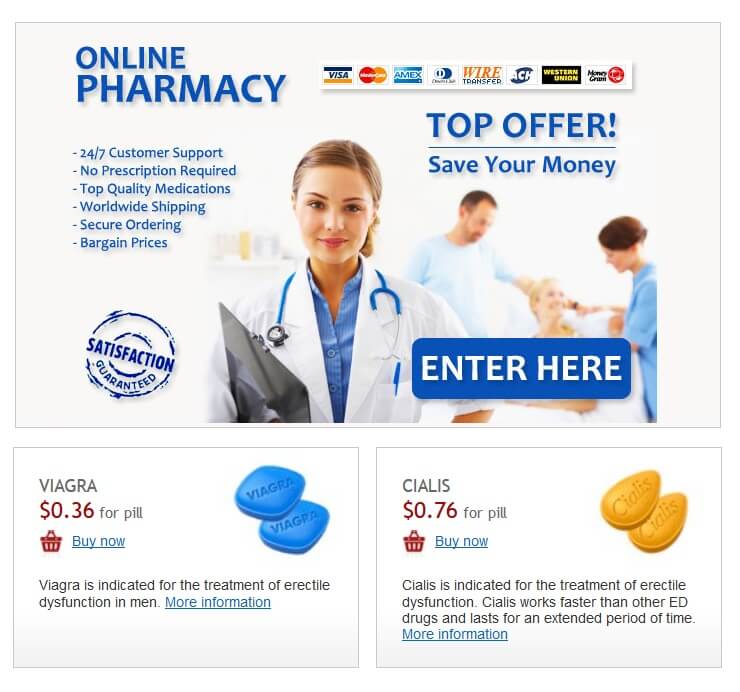
These emails typically promise cheap Viagra or similar medications. They use urgent language, enticing offers, or fake testimonials to lure you in. The senders mask their true identities using spoofed email addresses and sometimes even forged sender names mimicking legitimate pharmacies or healthcare providers. They frequently exploit vulnerabilities in email security protocols.
Identifying Viagra Spam
Look for these red flags: poor grammar and spelling; unusual email addresses; unsolicited messages; generic greetings; a sense of urgency (e.g., “Limited Time Offer!”); hyperlinks that don’t match the displayed text; requests for personal or financial information; threats; promises that seem too good to be true.
Protecting Yourself
Strengthen your email security. Use strong passwords, enable two-factor authentication, and keep your anti-spam filters updated. Be cautious of emails promising quick fixes or miracle cures. Report spam emails to your email provider and use email filtering tools to block suspicious senders. Learn to recognize phishing attempts, and never provide personal information unless you initiated the contact and verify the recipient’s legitimacy.
Consequences of Engagement
| Action | Potential Consequence |
|---|---|
| Clicking links | Malware infection, identity theft, financial loss |
| Replying | Increased spam volume, further targeted attacks |
| Providing personal information | Identity theft, financial fraud |
Reporting and Blocking
Most email providers offer options to report spam and block senders. Utilize these features. Additionally, consider using email filtering services that can better identify and remove spam before it reaches your inbox. Staying vigilant is your best defense.
Where to Get Legitimate Medication
Always obtain prescription medications from licensed pharmacies and healthcare providers. Never purchase medications from unverified online sources.
Identifying Viagra Spam Emails: Key Indicators
Check the sender’s address. Suspicious emails often use generic or altered addresses, not matching the claimed sender. Look for misspellings or unusual characters.
Subject Line Scrutiny
Examine the subject line carefully. Spam emails frequently employ urgent or provocative language, promising incredible results or featuring misspellings (e.g., “Viagra For Sale Cheap!” or “Get Free Viagra Now!”).
Suspicious links? Hover your mouse over links before clicking; the actual URL will appear. Avoid clicking links pointing to unfamiliar or suspicious domains. Look for shortened links – these often mask malicious sites.
Content Analysis
Grammar and Spelling: Poor grammar and numerous spelling errors are typical indicators. Spam emails are often written by non-native speakers and lack thorough proofreading.
Generic Greetings: Spam emails usually use generic greetings like “Dear Customer” instead of your name. This suggests a mass mailing, not personalized communication.
Urgent Calls to Action: Emails demanding immediate action – “Order now!” or “Limited time offer!” – often signal spam. Legitimate businesses usually offer longer consideration periods.
Attachments & Files
Avoid opening attachments from unknown senders. Attachments can carry malware that infects your computer. Legitimate businesses rarely send sensitive information via email attachments.
Email Header Examination
Your email client may show header information detailing the email’s path. This can reveal the sender’s true location and help identify potentially fraudulent email sources. Examine this information with caution.
The Dangers of Clicking Viagra Spam Links
Don’t click! Those Viagra spam emails are almost always scams. Clicking a link in these emails exposes you to several serious risks.
- Malware Infections: The links often download malicious software onto your computer. This can steal your personal information (passwords, banking details, etc.), monitor your online activity, or encrypt your files (ransomware).
- Phishing Attacks: The links frequently lead to fake websites mimicking legitimate pharmacies or banks. These sites trick you into entering your login credentials, giving cybercriminals access to your accounts.
- Financial Fraud: You might unknowingly pay for counterfeit drugs or services that never arrive. This results in financial losses and potential legal problems.
- Identity Theft: The collected data can be used to open fraudulent accounts in your name or commit other forms of identity theft. This can ruin your credit and cause significant damage.
Instead of clicking, report the email as spam to your email provider. Delete it immediately and avoid interacting with it in any way. If you’re concerned about erectile dysfunction, consult a doctor or visit a reputable online pharmacy to ensure safe and legitimate treatment.
- Report spam emails to your provider.
- Delete suspicious emails immediately.
- Never share personal information via email.
- Seek medical advice from trusted sources, not unsolicited emails.
Protecting yourself from online threats requires vigilance. Remember, if a deal seems too good to be true, it probably is.
Understanding the Scams Behind Viagra Email Spam
Never click links in unsolicited Viagra emails. These messages often lead to phishing websites designed to steal your personal information, including banking details and passwords. They might also download malware onto your computer, compromising your system’s security.
These scams frequently use fake testimonials and promises of incredible results to lure victims. Be wary of exaggerated claims; legitimate pharmaceutical companies don’t advertise this way. Always consult your doctor before starting any medication, including Viagra.
The emails often aim to trick you into providing payment information for counterfeit medications. These pills may be ineffective, contain dangerous ingredients, or even be completely inert. Your health is at risk.
Report suspicious emails to your internet service provider and the appropriate authorities. This helps to combat the spread of these fraudulent messages and protects others from falling victim. Use strong passwords and enable two-factor authentication wherever possible.
Be cautious about websites offering cheap Viagra without a prescription. Legitimate sources require a consultation with a healthcare professional before dispensing medication.
Remember, if something seems too good to be true, it probably is. Protect yourself by remaining vigilant and cautious. Avoid engaging with unsolicited emails promoting prescription medication.
Protecting Yourself from Viagra Email Spam: Best Practices
Never click links in unsolicited emails. These links often lead to malicious websites designed to steal your information or infect your computer with malware.
Immediately delete suspicious emails. Don’t even hover your cursor over links; that can sometimes trigger malicious code.
Strengthen your email account security. Use a strong, unique password and enable two-factor authentication whenever possible.
Report spam emails to your email provider. Most providers have a built-in mechanism for reporting spam; use it.
Keep your antivirus software up-to-date. Regular updates provide the latest protection against emerging threats.
Be cautious about opening email attachments from unknown senders. Attachments are a common way to spread malware.
Educate yourself and your family on identifying spam emails. Learn to spot common characteristics like poor grammar, generic greetings, and suspicious subject lines.
Consider using a spam filter. Many email providers and third-party services offer robust spam filtering capabilities.
Regularly review your email account subscriptions. Unsubscribe from services you no longer use to minimize unwanted emails.
Avoid entering your email address on unreliable websites. Only share your email address with trusted sources.
Reporting Viagra Spam Emails: Effective Methods
First, delete the email immediately. Don’t click any links!
Next, report it to your email provider. Most services offer a “spam” or “report phishing” button; use it. Gmail, for example, provides clear instructions within the email itself.
Consider using a spam filter. Many email clients have built-in filters, while others offer integration with third-party options. Adjust settings for increased sensitivity if necessary.
Report the email to the appropriate authorities. The Federal Trade Commission (FTC) in the US, or your country’s equivalent, actively combats spam. They offer online reporting tools to simplify the process.
Forward the email header information. This helps investigators trace the sender. Your email provider usually provides instructions on how to access this data.
Beware of scams posing as anti-spam services. Legitimate authorities will never request payment for spam reporting.
Finally, strengthen your online security. Use strong, unique passwords and be cautious about clicking links or downloading attachments from unknown senders.
The Legal Ramifications of Viagra Spam
Sending Viagra spam exposes you to significant legal risks under various laws. The CAN-SPAM Act in the US, for example, prohibits unsolicited commercial email, carrying penalties up to $46,000 per violation. This applies even if you outsource the sending. You are accountable.
International Laws and Regulations
Beyond US laws, many countries have similar legislation. The EU’s General Data Protection Regulation (GDPR) strictly regulates data privacy, including email marketing. Sending unsolicited emails about Viagra can lead to hefty fines for violating GDPR rules concerning consent and data processing. Each country has its specific regulations; non-compliance exposes you to legal action within the jurisdiction where the recipient resides.
Civil Litigation
Beyond government penalties, individuals can sue you for damages resulting from your spam. This can include compensation for emotional distress caused by receiving unwanted emails, especially if the subject matter is sensitive or potentially misleading. This includes the cost of lost time dealing with the spam, along with any related legal costs.
Criminal Charges
In severe cases, Viagra spam could attract criminal prosecution, particularly if involved in fraudulent activities like phishing or identity theft. Misrepresenting your identity or attempting to defraud recipients can lead to severe fines and imprisonment.
Practical Advice
To avoid legal trouble, avoid sending unsolicited emails promoting Viagra or other medications. Obtain explicit consent for all email marketing activities. Maintain detailed records of email campaigns and opt-out requests. Compliance with all relevant laws and regulations is paramount.
The Role of Pharmacies in Combating Viagra Email Spam
Pharmacies can significantly reduce Viagra email spam by proactively educating customers. Offer clear information on safe medication sourcing, highlighting the dangers of counterfeit drugs purchased online.
- Promote legitimate online pharmacies: Partner with verified online pharmacies adhering to strict regulations and advertise their services. This provides customers with safe alternatives, reducing reliance on spam emails.
- Strengthen email security: Implement robust email filtering systems to prevent spam from reaching customer inboxes. Regularly update these systems to combat evolving spam tactics. Use tools that block suspicious domains and sender addresses commonly associated with spam.
- Improve customer service: Provide readily accessible channels for customers to report suspicious emails or websites. A rapid response helps build trust and confidence.
- Run public awareness campaigns: Inform customers about identifying characteristics of fraudulent Viagra emails, such as poor grammar, generic salutations, and suspicious links. Consider using social media and partnering with patient advocacy groups.
Pharmacies should cooperate with law enforcement agencies. Report instances of Viagra email spam and phishing scams containing malicious links or attachments. Share data on spam trends and suspicious domains. This collaborative effort aids in large-scale identification and takedown of spam networks.
- Collaborate with anti-spam organizations: Partner with organizations specializing in combating email spam to learn best practices and access advanced filtering technologies.
- Invest in spam detection software: Utilize advanced software that analyzes email content and metadata to identify and filter spam more accurately. Regularly update this software to keep pace with new spamming techniques.
By implementing these strategies, pharmacies can play a vital role in protecting customers from harmful Viagra email spam and ensuring safe access to legitimate medication.
The Future of Fighting Viagra Email Spam: Emerging Trends
AI-powered spam filters will become significantly more sophisticated. Expect improvements in natural language processing to better identify subtle cues in subject lines and email body text indicating fraudulent Viagra offers. This includes analyzing linguistic patterns and contextual clues previously missed by simpler filters.
Blockchain technology offers potential solutions. By creating a transparent and verifiable record of email sender authenticity, blockchain can help eliminate anonymous spam campaigns. This increased transparency will make it harder for spammers to operate undetected.
Collaborative filtering databases will expand. Sharing threat intelligence across multiple email providers and security companies will allow for faster identification and blocking of new spam campaigns. Expect to see more coordinated efforts between these organizations to combat spam effectively.
Behavioral analysis will play a more prominent role. Email providers will analyze user interactions to identify suspicious patterns indicative of spam exposure. This includes tracking clicks, email forwards, and user complaints to learn more about the characteristics of successful spam campaigns.
Improved email authentication protocols will gain wider adoption. SPF, DKIM, and DMARC, when properly implemented, can verify sender authenticity, making it harder for spammers to spoof legitimate email addresses. This will require greater collaboration between email providers and senders.
Expect to see a rise in proactive spam detection. Instead of solely relying on reactive measures after spam has reached inboxes, email providers will implement predictive models identifying potential spam campaigns before widespread distribution. This will require substantial investment in machine learning and data analysis.