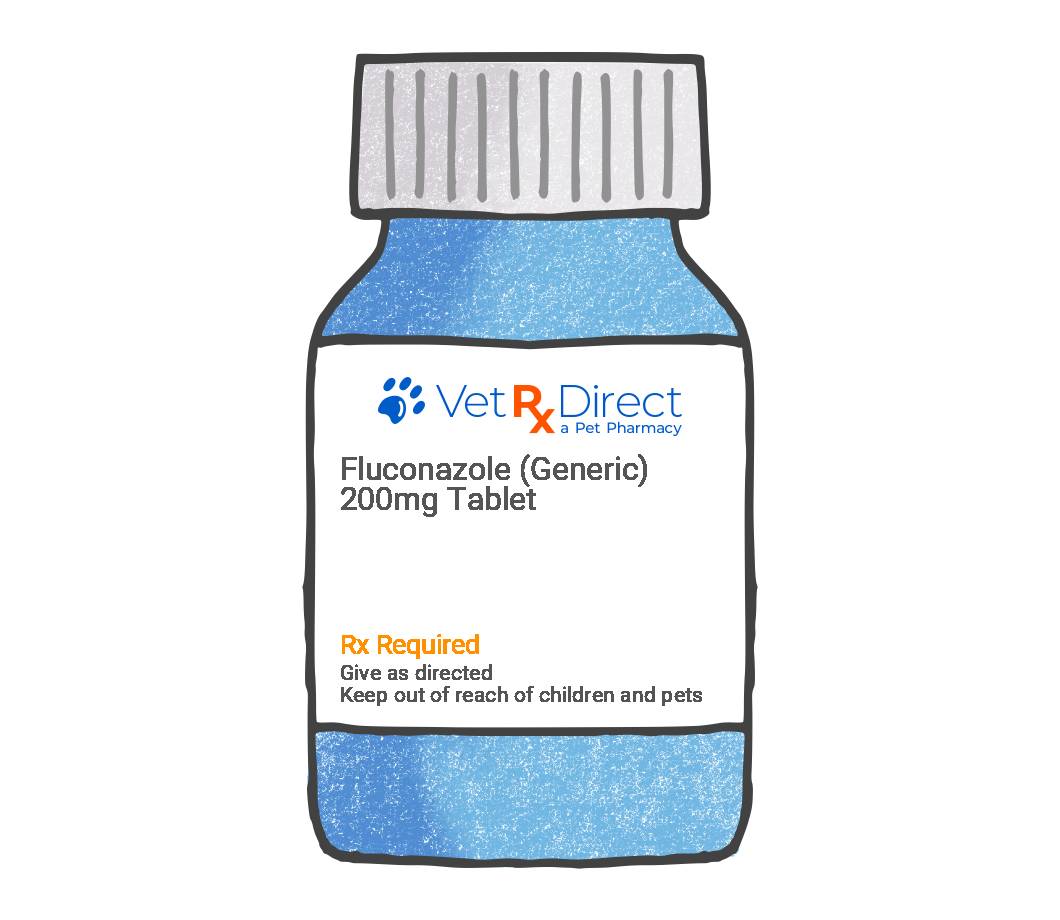
Need Diflucan for your dog’s yeast infection? Consider generic fluconazole, a safe and cost-effective alternative to brand-name Diflucan. This medication treats various fungal infections common in canines, offering relief from symptoms like skin lesions and itching.
Always consult your veterinarian before administering any medication to your pet. They will determine the appropriate dosage based on your dog’s weight and the severity of the infection. Never self-medicate; incorrect dosage can be harmful.
Generic fluconazole is typically available from veterinary pharmacies or online pet medication retailers. Compare prices and ensure the supplier is reputable before purchasing. Look for a product clearly labeled with the active ingredient, fluconazole, and its concentration. Proper storage is vital; keep the medication in a cool, dry place away from children and other pets.
Remember, while generic fluconazole is a financially savvy option, it’s crucial to closely monitor your dog for any adverse reactions. Contact your vet immediately if you observe unusual symptoms like vomiting, diarrhea, or loss of appetite. Early intervention is key to a speedy recovery.
- Generic Diflucan for Dogs: A Comprehensive Guide
- Understanding Fluconazole (Generic Diflucan)
- Common Fungal Infections in Dogs Treatable with Fluconazole
- Dosage and Administration of Generic Diflucan for Dogs
- Calculating the Dosage
- Administering the Medication
- Possible Side Effects
- Storage
- Important Note:
- Potential Side Effects and Precautions
- Alternatives to Generic Diflucan for Canine Fungal Infections
- When to Consult a Veterinarian
- Other Reasons to Consult Your Veterinarian
- Diflucan Dosage Considerations
- Obtaining a Prescription for Fluconazole for Your Dog
- Cost Comparison: Generic vs. Brand-Name Diflucan
- Factors Influencing Price
- Finding the Best Deal
- Generic Diflucan: Equivalent Efficacy
- Note:
Generic Diflucan for Dogs: A Comprehensive Guide
Always consult your veterinarian before giving your dog any medication, including generic Diflucan (fluconazole). They can diagnose the underlying issue and determine the appropriate dosage and treatment plan.
Generic fluconazole is a cheaper alternative to brand-name Diflucan, offering the same active ingredient. This makes treatment more accessible for pet owners.
Common uses for fluconazole in dogs include yeast infections (cutaneous and systemic candidiasis), cryptococcal infections, and certain fungal skin conditions. Your vet will perform tests to confirm the diagnosis.
Dosage varies greatly depending on your dog’s weight, the specific infection, and your vet’s recommendations. Never guess; always follow precise instructions.
Fluconazole is typically administered orally, often mixed with food to improve palatability. Observe your dog for any adverse reactions such as vomiting, diarrhea, or loss of appetite. Report any unusual symptoms to your veterinarian immediately.
Storage is crucial. Keep the medication in a cool, dry place, away from children and other pets. Discard any unused medication according to your vet’s or pharmacist’s instructions.
While generally safe when prescribed correctly, fluconazole can interact with other medications. Inform your vet about all medications your dog is currently taking.
Long-term use might necessitate monitoring of liver and kidney function. Your vet will schedule check-ups as needed to assess your dog’s response to treatment.
Generic fluconazole offers a cost-effective solution for treating fungal infections in dogs. However, responsible pet ownership requires veterinary guidance to ensure safe and successful treatment.
Understanding Fluconazole (Generic Diflucan)
Fluconazole is an antifungal medication. It targets a specific type of fungus by interfering with its cell wall production. This action stops the fungus from growing and spreading.
Your veterinarian prescribes Fluconazole for specific fungal infections in dogs. Common uses include yeast infections (like Candida), ringworm, and certain systemic fungal diseases. The dosage depends on your dog’s weight and the severity of the infection; always follow your vet’s instructions precisely.
Fluconazole is generally well-tolerated, but potential side effects include vomiting, diarrhea, and loss of appetite. In rare cases, more serious side effects can occur. Monitor your dog closely for any unusual symptoms and contact your veterinarian immediately if you notice anything concerning.
Never administer Fluconazole without veterinary guidance. Improper dosage or treatment duration can hinder effectiveness and potentially harm your pet. Always obtain a proper diagnosis from your veterinarian before starting any medication.
Store Fluconazole as directed on the label to maintain its potency. Keep it out of your dog’s reach. Discard any unused medication appropriately, following your veterinarian’s or local pharmacy’s recommendations for safe disposal.
Remember, this information is for educational purposes only and does not replace professional veterinary advice. Consult your veterinarian for accurate diagnosis, treatment, and monitoring of your dog’s health.
Common Fungal Infections in Dogs Treatable with Fluconazole
Fluconazole, often prescribed as generic Diflucan, effectively treats several fungal infections in dogs. Let’s explore some common ones:
- Candidiasis (Yeast Infection): This affects the skin, mouth, and digestive tract. Symptoms include redness, inflammation, and sometimes discharge. Early diagnosis is key for successful treatment.
- Ringworm (Dermatophytosis): Characterized by circular, scaly patches on the skin, often itchy. Fluconazole may be part of a treatment plan alongside topical medications, depending on the severity and location of the infection.
- Systemic Mycoses: These infections spread throughout the body. While less common, Blastomycosis and Histoplasmosis are examples sometimes managed with fluconazole, often in combination with other antifungals and supportive care. Your vet will determine the best course of action.
Remember, fluconazole isn’t a cure-all. Dosage and treatment duration vary depending on the specific infection, your dog’s health, and other factors.
- Always consult your veterinarian for diagnosis and a personalized treatment plan. Self-treating can be harmful.
- Provide your vet with a complete history of your dog’s health, including any other medications they’re taking.
- Follow your vet’s instructions precisely regarding medication administration and monitoring your dog’s response.
Early intervention and adherence to your vet’s recommendations significantly improve the chances of a full recovery.
Dosage and Administration of Generic Diflucan for Dogs
Always consult your veterinarian before administering any medication to your dog. They will determine the appropriate dosage based on your dog’s weight, the specific infection, and its severity. Self-treating can be harmful.
Calculating the Dosage
Fluconazole (the active ingredient in Diflucan) is typically administered orally. Your vet will prescribe a specific dose in milligrams (mg) per kilogram (kg) of your dog’s body weight. For example, a 10 kg dog might receive 5mg/kg, resulting in a 50mg daily dose.
- Accurate Weighing: Use a scale to accurately weigh your dog. Even slight variations in weight can affect dosage.
- Dosage Form: Fluconazole is available in liquid and tablet forms. Your vet will specify the correct form.
- Frequency: The medication is usually administered once daily, but your vet might recommend a different schedule.
Administering the Medication
- Tablet Administration: If using tablets, you can hide them in small amounts of tasty food, like peanut butter or cheese.
- Liquid Administration: If using liquid, use a syringe to carefully measure the prescribed dose and administer it directly into your dog’s mouth. Alternatively, mix it with a small amount of food.
- Consistency: Administer the medication at approximately the same time each day to maintain consistent blood levels.
- Observation: Monitor your dog for any adverse reactions after administering the medication. Contact your veterinarian immediately if you notice any unusual symptoms.
Possible Side Effects
While generally safe, fluconazole can cause side effects in some dogs. These can include vomiting, diarrhea, loss of appetite, and changes in liver enzyme levels. Your vet will monitor your dog for these effects.
Storage
Store the medication as directed by your veterinarian or on the packaging. Keep it out of your dog’s reach.
Important Note:
This information is for educational purposes only and does not substitute professional veterinary advice. Always follow your veterinarian’s instructions.
Potential Side Effects and Precautions
Always consult your veterinarian before giving your dog Diflucan. While generally safe, some dogs experience side effects.
Gastrointestinal upset is common, manifesting as vomiting or diarrhea. These effects are usually mild and resolve quickly. However, if vomiting or diarrhea becomes severe or persistent, contact your vet immediately.
Hepatotoxicity (liver damage) is a rare but serious potential side effect. Monitor your dog for signs like lethargy, jaundice (yellowing of the skin or eyes), or loss of appetite. Regular blood tests might be advised by your vet, especially during prolonged treatment.
Changes in behavior, such as increased thirst or urination, are also possible. Report any unusual behavioral changes to your veterinarian.
Drug interactions can occur. Inform your vet about all medications your dog currently takes, including supplements and over-the-counter drugs. This ensures safe and effective treatment.
Dosage is critical. Never adjust the dosage prescribed by your veterinarian. Incorrect dosing can reduce efficacy or increase the risk of side effects. Follow your vet’s instructions meticulously.
Breed-specific sensitivities exist. Certain breeds might be more prone to side effects. Discuss your dog’s breed with your veterinarian before starting treatment.
Pregnant or nursing dogs require special consideration. Diflucan’s safety in these situations requires careful assessment by your veterinarian. Never administer medication to pregnant or nursing dogs without veterinary guidance.
Alternatives to Generic Diflucan for Canine Fungal Infections
Your veterinarian might suggest Itraconazole as a viable alternative to generic Diflucan (fluconazole). It’s another azole antifungal, often effective against similar fungal infections. Dosage depends on your dog’s weight and the specific infection, so precise veterinary guidance is crucial.
Ketoconazole is another azole antifungal option. While generally less commonly prescribed than fluconazole or itraconazole for canine fungal infections, it can be effective in certain cases. Your vet will assess its suitability based on your dog’s health and the nature of the infection.
For severe or resistant infections, Amphotericin B may be considered. This is a more potent antifungal, but it’s usually reserved for situations where other treatments haven’t worked due to potential side effects. Intravenous administration is typically required.
The choice of antifungal medication always hinges on the type of fungus causing the infection, the severity of the condition, and your dog’s overall health. Always discuss treatment options with your veterinarian to determine the safest and most effective approach for your canine companion. They can perform necessary diagnostics to identify the fungus and advise on the appropriate dosage and administration method for the selected drug.
When to Consult a Veterinarian
See your vet immediately if your dog shows signs of a serious allergic reaction, such as difficulty breathing, swelling of the face or throat, or hives. Don’t wait!
Schedule a vet appointment if your dog’s fungal infection doesn’t improve after 7-10 days of treatment with Diflucan, or if symptoms worsen. This includes continued skin lesions, hair loss, or intense itching.
Other Reasons to Consult Your Veterinarian
Consult your veterinarian if you notice any unexpected side effects from Diflucan, such as vomiting, diarrhea, or loss of appetite. Your vet can assess your dog’s condition and adjust the treatment plan accordingly.
Always discuss any pre-existing health conditions with your vet before giving your dog Diflucan, particularly liver or kidney issues. This allows for proper dosage adjustment and monitoring.
Diflucan Dosage Considerations
| Dog Weight (lbs) | Approximate Diflucan Dosage (mg/kg) | Notes |
|---|---|---|
| Under 10 | Consult your veterinarian | Dosage varies greatly based on individual needs. |
| 10-25 | 2.5-5 mg/kg | This is a guideline only; your vet will determine the correct dosage. |
| 25-50 | 2.5-10 mg/kg | Adjustments needed based on severity and response. |
| Over 50 | Consult your veterinarian | Higher weight dogs may require individualized dosing. |
Remember: This table provides general information only. Always follow your veterinarian’s instructions for administering Diflucan to your dog.
Obtaining a Prescription for Fluconazole for Your Dog
Schedule an appointment with your veterinarian. A thorough examination is necessary to diagnose your dog’s condition and determine if fluconazole is the appropriate treatment.
Provide your vet with a complete history of your dog’s health, including any existing medical conditions, medications, and allergies. Accurate information helps ensure safe and effective treatment.
Discuss your concerns and observations with your veterinarian. Describe your dog’s symptoms clearly and concisely. This aids in accurate diagnosis and treatment planning.
Your vet will likely conduct various tests, such as blood work or a fungal culture, to confirm the diagnosis and rule out other potential causes of your dog’s symptoms. These tests are critical for proper treatment.
If fluconazole is deemed necessary, your vet will write a prescription tailored to your dog’s specific needs, including dosage and duration. Carefully follow these instructions.
Pick up your dog’s medication from your vet’s office or a designated pharmacy. Ensure the medication is stored appropriately as directed on the label.
| Step | Action |
|---|---|
| 1 | Veterinary Appointment |
| 2 | Provide Complete Health History |
| 3 | Detailed Symptom Description |
| 4 | Diagnostic Testing (if needed) |
| 5 | Prescription & Dispensing |
Administer the medication as prescribed. Monitor your dog for any adverse reactions and contact your vet immediately if you notice anything unusual.
Cost Comparison: Generic vs. Brand-Name Diflucan
Generic Diflucan (fluconazole) consistently costs significantly less than the brand-name version. Expect to pay 50-80% less for the generic equivalent.
Factors Influencing Price
- Dosage: Higher dosages naturally increase the overall cost, regardless of whether you choose generic or brand-name.
- Pharmacy: Prices vary between pharmacies; online pharmacies often offer lower prices than brick-and-mortar stores. Shop around for the best deal.
- Location: Geographic location impacts drug pricing. Costs can fluctuate based on regional regulations and market dynamics.
- Insurance Coverage: Your pet insurance may cover part or all of the medication cost, potentially minimizing the price difference between generic and brand-name.
Finding the Best Deal
- Check multiple pharmacies: Compare prices online and at local pharmacies.
- Use online pharmacy comparison tools: Several websites allow you to compare prices across different providers.
- Ask your veterinarian for recommendations: Your vet may have insights into affordable options within your area.
- Consider generic options first: Generics provide the same active ingredient as brand-name drugs at a significantly lower cost.
Generic Diflucan: Equivalent Efficacy
Generic Diflucan contains the same active ingredient as the brand-name version, ensuring equal effectiveness. The FDA rigorously tests generic medications to confirm their bioequivalence–meaning they are absorbed and work in the body the same way as their brand-name counterparts.
Note:
Always consult your veterinarian before giving your dog any medication, including Diflucan. They can determine the appropriate dosage and ensure the medication is safe and suitable for your pet’s specific needs.