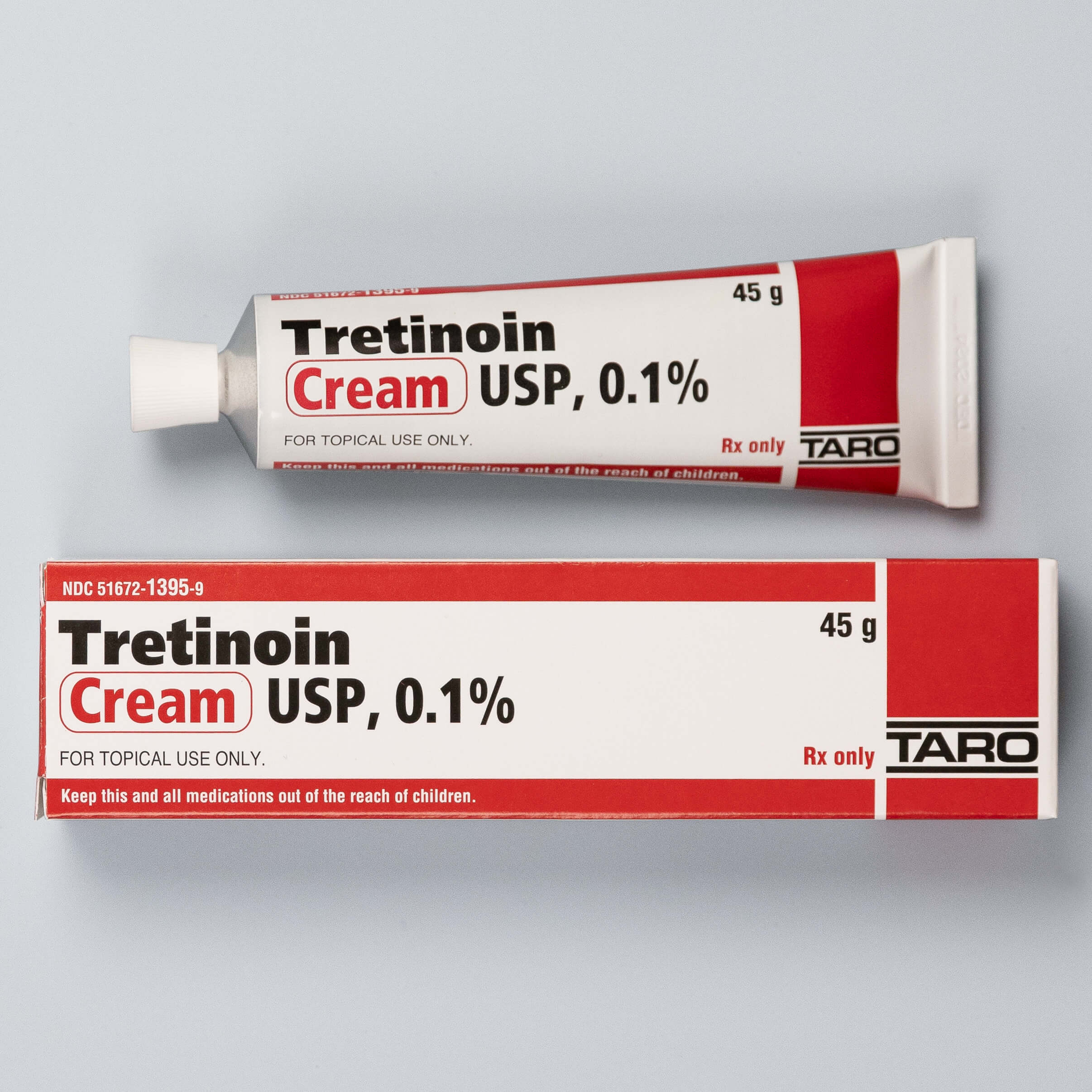
Start with a pea-sized amount, applied nightly to clean, dry skin. Avoid the eye area and lips. Expect some initial dryness and peeling – this is normal. Consistency is key; results take time, typically showing improvement after 8-12 weeks.
Retin-A, or tretinoin, is a retinoid – a vitamin A derivative – that increases skin cell turnover. This means it accelerates the shedding of dead skin cells, revealing smoother, clearer skin. This process helps combat acne, fine lines, wrinkles, and uneven skin tone. Always use sunscreen with an SPF of 30 or higher during the day to protect your skin from sun damage, which is intensified by tretinoin.
Begin with a low concentration, like 0.025%, and gradually increase to a higher concentration (0.05% or 0.1%) as tolerated. Introduce the treatment slowly, using it every other night for the first few weeks. Listen to your skin – if irritation becomes excessive, reduce frequency or concentration. A mild moisturizer can help manage dryness. Consult a dermatologist for personalized advice on dosage and usage, especially if you have sensitive skin or pre-existing skin conditions.
Remember, potential side effects include redness, dryness, peeling, and burning sensations, particularly in the initial stages. These usually subside as your skin adjusts. If you experience significant irritation or persistent side effects, contact your dermatologist immediately. Proper use and patience will yield the best results with generic Retin-A (tretinoin).
- Generic Retin-A (Tretinoin): A Comprehensive Guide
- Understanding Tretinoin
- Using Tretinoin Effectively
- Potential Side Effects
- Generic vs. Brand-Name
- Choosing the Right Strength
- Storage
- Understanding Generic Retin-A: What You Need to Know Before You Start
- Using Generic Retin-A Effectively: A Step-by-Step Guide
- Long-Term Use and Considerations: Maintaining Results and Addressing Concerns
- Sun Protection: A Non-Negotiable
- Addressing Common Concerns
- Long-term maintenance
- Managing Potential Side Effects
- Maintaining Results Beyond Tretinoin
- Communication with Your Dermatologist
Generic Retin-A (Tretinoin): A Comprehensive Guide
Begin with a pea-sized amount, applying it to clean, dry skin at night. Avoid sun exposure; use sunscreen with SPF 30 or higher daily.
Understanding Tretinoin
Tretinoin is a retinoid, a vitamin A derivative. It increases skin cell turnover, improving acne, wrinkles, and hyperpigmentation. Expect initial dryness, redness, and peeling – this is normal.
- Acne Treatment: Tretinoin unclogs pores, reducing breakouts. Results usually appear within several weeks, but consistency is key.
- Anti-aging Benefits: It boosts collagen production, minimizing fine lines and wrinkles. Expect gradual improvements over time.
- Hyperpigmentation Reduction: Tretinoin helps fade dark spots and improves overall skin tone.
Using Tretinoin Effectively
- Start slowly: Use it every other night for the first few weeks, gradually increasing frequency as tolerated.
- Moisturize: Use a gentle moisturizer, especially during the day, to counteract dryness.
- Sun protection: This is paramount. Consistent sunscreen use is non-negotiable.
- Be patient: Results take time. Don’t get discouraged if you don’t see immediate changes.
- Consult a dermatologist: A professional can personalize a treatment plan and address any concerns.
Potential Side Effects
Mild irritation, dryness, and peeling are common. Severe reactions are rare but possible. Stop use and consult a doctor if you experience significant discomfort.
Generic vs. Brand-Name
Generic tretinoin contains the same active ingredient as brand-name Retin-A but often costs less. Efficacy is equivalent.
Choosing the Right Strength
Your dermatologist will recommend the appropriate strength (0.025%, 0.05%, 0.1%). Begin with a lower strength and gradually increase if needed.
Storage
Store tretinoin in a cool, dark place to maintain its potency.
Understanding Generic Retin-A: What You Need to Know Before You Start
Consult your dermatologist before starting. They can assess your skin type and concerns, recommending the appropriate strength and guiding you through the process. This ensures safe and effective use.
Start with a low concentration and apply a pea-sized amount to clean, dry skin at night. Gradually increase frequency as your skin tolerates it, usually over several weeks.
Expect initial irritation. Redness, dryness, peeling, and even mild burning are common side effects. These usually subside as your skin adjusts. Use a gentle moisturizer to manage dryness.
Sun protection is crucial. Retinoids increase sun sensitivity. Use a broad-spectrum sunscreen with SPF 30 or higher daily, even on cloudy days.
Be patient. Results take time. You may see improvements in acne and fine lines after several weeks, but significant changes often take several months of consistent use.
Avoid using other harsh skincare products simultaneously. Combining retinoids with other exfoliants or strong actives can irritate your skin excessively.
Consistency is key. Don’t skip applications or give up too soon. Regular use is vital for seeing results. If irritation persists, talk to your doctor.
Store your retinoid properly. Protect it from air and light to maintain its potency. Follow storage instructions on the packaging.
Generic Retin-A is generally very affordable. Check prices at different pharmacies to get the best value.
Using Generic Retin-A Effectively: A Step-by-Step Guide
Begin with a pea-sized amount for your entire face. More isn’t better; it can lead to irritation.
Apply it at night, after cleansing and completely drying your skin. This allows for better absorption and minimizes irritation.
Use a gentle, fragrance-free cleanser. Avoid harsh scrubs or exfoliants, which can exacerbate dryness and sensitivity.
Start with application every other night, gradually increasing frequency as your skin tolerates it. Listen to your skin – if it’s too irritated, slow down.
Always use a broad-spectrum sunscreen with at least SPF 30 during the day. Retinoids increase sun sensitivity, making sun protection critical.
Expect some initial dryness, peeling, or redness. This is normal and usually subsides within a few weeks as your skin adjusts.
Moisturize regularly, particularly after applying retinoid. Choose a non-comedogenic moisturizer to prevent clogged pores.
Be patient. Results take time. You might not see significant improvements for several weeks or even months.
If irritation persists or worsens, reduce the frequency of application or discontinue use and consult your dermatologist.
Avoid using other harsh actives like AHAs/BHAs simultaneously, especially at the start. This can over-exfoliate your skin.
Long-Term Use and Considerations: Maintaining Results and Addressing Concerns
Continue using tretinoin as directed by your dermatologist. Consistency is key to maintaining improvements in skin texture and tone. Don’t expect overnight miracles; results take time.
Sun Protection: A Non-Negotiable
Daily sunscreen application with an SPF of 30 or higher is paramount. Tretinoin increases sun sensitivity, making sunburns more likely. Consistent sun protection minimizes the risk of sun damage and hyperpigmentation, preserving your treatment results.
Addressing Common Concerns
Initial dryness and irritation are common. Start with a low concentration and gradually increase usage. Use a gentle moisturizer to counteract dryness. If irritation persists, consider reducing application frequency or temporarily pausing treatment, consulting your dermatologist if needed.
Long-term maintenance
After achieving desired results, you might discuss a maintenance schedule with your dermatologist. This could involve reducing application frequency or using a lower concentration. Regular dermatological check-ups are recommended to monitor skin health and adjust the treatment plan as needed. This proactive approach helps sustain improvements long-term.
Managing Potential Side Effects
While rare, some individuals experience redness, peeling, or purging (a temporary worsening of acne before improvement). These usually subside as your skin adjusts. If side effects are severe or persistent, contact your doctor immediately. They can provide adjustments to mitigate discomfort and maximize treatment efficacy.
Maintaining Results Beyond Tretinoin
A healthy lifestyle contributes significantly. Adequate hydration, a balanced diet, and sufficient sleep support skin health. These lifestyle choices help maintain the positive results achieved with tretinoin.
Communication with Your Dermatologist
Open communication with your dermatologist is crucial. Regular appointments allow for monitoring progress, addressing concerns, and making necessary adjustments to the treatment plan. This ensures safe and effective long-term use.