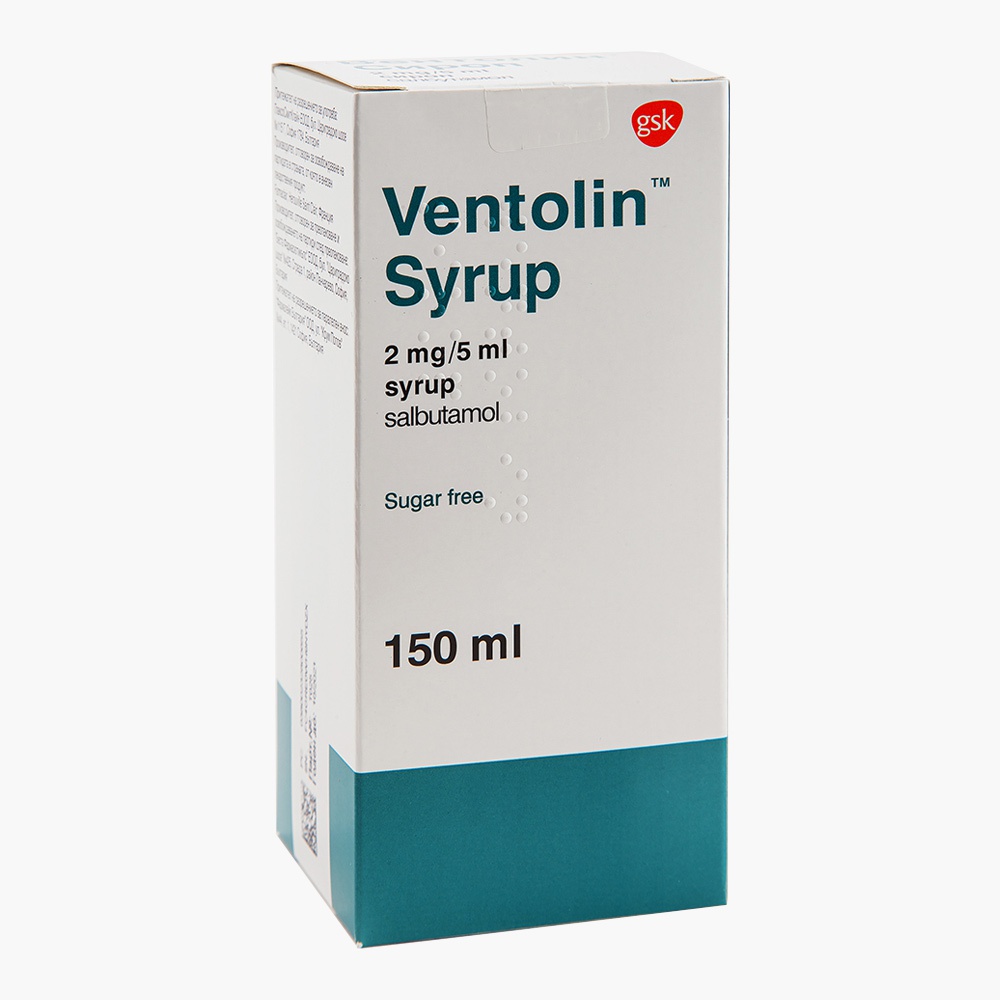
Need quick relief from breathing problems? Ventolin syrup, containing salbutamol, acts rapidly to relax airway muscles, easing breathing difficulties. This allows for easier inhalation and helps alleviate symptoms like wheezing and shortness of breath.
Always follow your doctor’s instructions precisely regarding dosage. Typical adult doses range from 2 to 4mg four times daily, but this varies depending on individual needs and severity of symptoms. Children’s doses are significantly lower and strictly age-dependent; never administer medication without consulting your pediatrician. Incorrect usage can lead to adverse effects.
Common side effects include tremor, headache, and nausea. These are usually mild and temporary. However, report any persistent or worsening symptoms, such as rapid heartbeat or chest pain, to your physician immediately. Serious allergic reactions are rare but require immediate medical attention. Observe for signs like hives, swelling, or difficulty breathing.
Remember, Ventolin syrup treats symptoms, not the underlying cause of your breathing problems. It’s a rescue medication for acute attacks. Your doctor might prescribe additional medications for long-term management of your condition. Regular check-ups are vital to monitor your progress and adjust treatment as necessary.
- Syrup Ventolin: A Detailed Guide
- Understanding Ventolin Syrup
- Dosage and Administration
- What is Ventolin Syrup and How Does it Work?
- Ventolin Syrup Dosage: Guidelines for Adults and Children
- Adult Dosage
- Children’s Dosage
- Important Considerations
- Disclaimer
- Common Side Effects of Ventolin Syrup and How to Manage Them
- When to See a Doctor While Using Ventolin Syrup
- Understanding Ventolin Syrup’s Limitations
- When to Adjust Your Dosage
- Drug Interactions with Ventolin Syrup: What to Avoid
- MAO Inhibitors and Ventolin Syrup
- Medication Interactions Requiring Caution:
- Herbal Remedies and Supplements:
- Alcohol and Ventolin Syrup
- Storage and Disposal of Ventolin Syrup
- Ventolin Syrup vs. Other Asthma Medications: Key Differences
- Alternative Treatments for Asthma: Exploring Options Beyond Ventolin
- Lifestyle Adjustments for Asthma Management
- Alternative Therapies and Medications
Syrup Ventolin: A Detailed Guide
Always consult your doctor or pharmacist before using Ventolin syrup, especially if you have other health conditions or take other medications. Dosage depends on age and severity of symptoms. Incorrect usage can be harmful.
Understanding Ventolin Syrup
Ventolin syrup, containing salbutamol, is a bronchodilator. It relaxes muscles in your airways, making breathing easier. It’s commonly used to treat asthma and other breathing problems like chronic obstructive pulmonary disease (COPD).
- How it works: Salbutamol binds to beta-2 receptors in the lungs, triggering relaxation of airway muscles.
- Relief type: Provides quick relief from symptoms like wheezing, coughing, and shortness of breath.
- Not a preventative: Ventolin syrup treats symptoms, but doesn’t prevent asthma attacks. Your doctor may prescribe other medications for long-term control.
Dosage and Administration
Follow your doctor’s instructions precisely. Dosage varies greatly by age and condition. Never exceed the recommended dose.
- Measure accurately: Use the measuring device provided with the syrup. Household spoons are inaccurate.
- Timing: Take as directed. Some individuals need it only when symptoms flare up; others may need it regularly.
- Storage: Store at room temperature, away from moisture and heat. Discard after the expiration date.
Possible Side Effects: While generally safe, Ventolin syrup can cause side effects like tremors, nervousness, headache, and muscle cramps. Inform your doctor if these persist or worsen.
Drug Interactions: Certain medications can interact with Ventolin. Disclose all medications you are taking to your physician or pharmacist.
What is Ventolin Syrup and How Does it Work?
Ventolin syrup is a brand name for a medication containing salbutamol, a short-acting beta-2 agonist. It relaxes the muscles around your airways, widening them to make breathing easier.
Salbutamol works by binding to beta-2 receptors in your lungs. This triggers a cascade of reactions that ultimately lead to bronchodilation–the widening of your airways. This relief is typically fast-acting, offering noticeable improvement within minutes.
The syrup is particularly useful for treating bronchospasm associated with conditions like asthma and chronic obstructive pulmonary disease (COPD). Doctors prescribe it to relieve wheezing, shortness of breath, and chest tightness.
Always follow your doctor’s instructions regarding dosage and frequency. Never exceed the recommended dose. If your symptoms worsen or don’t improve after using Ventolin syrup, consult your physician immediately.
Common side effects include tremors, headache, and muscle cramps. Serious side effects are rare but require prompt medical attention. Discuss any concerns or potential interactions with other medications with your healthcare provider before starting treatment.
Ventolin Syrup Dosage: Guidelines for Adults and Children
Always follow your doctor’s prescription and instructions. Never adjust the dosage without consulting them. The information below provides general guidelines only.
Adult Dosage
The typical adult dose is 2 to 4 milliliters (ml) of Ventolin syrup four times daily. However, your physician may prescribe a different frequency or amount based on your specific needs and response to treatment. Carefully monitor your symptoms and report any changes to your doctor.
Children’s Dosage
Children’s dosages vary significantly based on age and weight. Your doctor will determine the appropriate dose for your child. They will consider factors such as the severity of their breathing problems and their overall health. Expect close monitoring of your child’s condition and regular follow-up appointments.
Important Considerations
Storage: Store Ventolin syrup at room temperature, away from direct sunlight and moisture. Keep it out of reach of children. Missed Dose: Take the missed dose as soon as you remember, unless it is almost time for your next dose. Do not double the dose. Side Effects: Report any unusual side effects, such as tremors, nervousness, or rapid heartbeat, to your doctor immediately. Interactions: Inform your doctor about all medications you take, including over-the-counter drugs and herbal supplements, as interactions can occur.
Disclaimer
This information is for educational purposes only and should not be considered medical advice. Always consult a healthcare professional before starting or altering any medication regimen. This includes Ventolin syrup usage.
Common Side Effects of Ventolin Syrup and How to Manage Them
Ventolin syrup, while effective for relieving asthma symptoms, can cause side effects. Understanding these and how to manage them is key to safe and effective use.
Common Side Effects:
- Tremors: Shaking, usually in the hands, can occur. This usually subsides as your body adjusts to the medication. If it persists or is severe, consult your doctor.
- Headache: Many users experience headaches. Staying hydrated and taking regular pain relief (as directed by your doctor) can help.
- Nausea and Vomiting: These are less common but can occur. Taking the medication with food can often alleviate this. If symptoms are severe, contact your doctor.
- Muscle cramps: These can be minimized by ensuring adequate hydration and electrolyte balance. Discuss this with your doctor if cramps are frequent or severe.
- Insomnia: Avoid taking Ventolin close to bedtime. Consult your physician if sleep disturbances persist.
- Fast Heartbeat: An increased heart rate is a potential side effect. Inform your doctor if you experience a rapid or irregular heartbeat.
Managing Side Effects:
- Follow your doctor’s instructions precisely regarding dosage and frequency.
- Stay hydrated by drinking plenty of water throughout the day.
- Take the medication with food to minimize nausea.
- Avoid caffeine and other stimulants, which can worsen tremors.
- Report any persistent or worsening side effects to your doctor immediately.
- Consider alternative administration methods (inhaler) if syrup causes persistent problems.
Remember: This information is for general knowledge and does not replace professional medical advice. Always consult your doctor or pharmacist if you have concerns about Ventolin syrup or experience any unexpected side effects.
When to See a Doctor While Using Ventolin Syrup
Contact your doctor immediately if you experience any of the following:
- Difficulty breathing that worsens despite using Ventolin.
- Chest pain or tightness.
- Rapid or irregular heartbeat.
- Excessive shaking or tremors.
- Nausea, vomiting, or dizziness.
- Headache that is severe or persistent.
- Muscle cramps or weakness.
- Increased anxiety or nervousness.
- Allergic reactions such as skin rash, itching, or swelling.
Regular monitoring is key. Schedule a follow-up appointment with your physician to discuss your treatment plan and to assess its effectiveness. Your doctor may need to adjust your dosage or recommend additional therapies.
Understanding Ventolin Syrup’s Limitations
Ventolin is a quick-relief medication for asthma symptoms. It doesn’t address the underlying cause of asthma. Continued use, without managing the root cause, can lead to complications. Regular use doesn’t replace preventative medications or lifestyle modifications.
When to Adjust Your Dosage
Never alter your prescribed dosage without consulting your physician. Increased need for Ventolin may indicate worsening asthma control. This requires immediate medical attention.
| Symptom | Action |
|---|---|
| Increased frequency of Ventolin use | Contact your doctor immediately |
| Symptoms persisting despite Ventolin use | Seek medical advice |
| New or worsening symptoms | Consult your physician |
Drug Interactions with Ventolin Syrup: What to Avoid
Avoid combining Ventolin syrup with other medications containing beta-agonists, such as albuterol or salmeterol. This can lead to excessive stimulation of your heart and lungs, potentially causing rapid heartbeat, tremors, or even serious cardiac events.
MAO Inhibitors and Ventolin Syrup
Do not take Ventolin syrup if you are currently using monoamine oxidase inhibitors (MAOIs). This combination may significantly increase your blood pressure, posing a serious health risk.
Medication Interactions Requiring Caution:
Certain medications require careful monitoring when taken with Ventolin syrup. These include diuretics (water pills), which can increase the risk of electrolyte imbalances, and cardiac glycosides like digoxin, where the risk of heart rhythm disturbances rises. Discuss any concurrent medications with your doctor before using Ventolin syrup.
Herbal Remedies and Supplements:
Inform your doctor about any herbal remedies or dietary supplements you are using. Some, such as ephedra or caffeine, can interact negatively with Ventolin syrup’s effects, amplifying its stimulating properties and potentially increasing adverse reactions.
Alcohol and Ventolin Syrup
While not a direct medication interaction, excessive alcohol consumption can exacerbate the side effects of Ventolin syrup, notably its potential to elevate heart rate and cause nervousness. Moderate your alcohol intake while using this medication.
Storage and Disposal of Ventolin Syrup
Store Ventolin syrup at room temperature, between 68°F and 77°F (20°C and 25°C). Keep the bottle tightly closed to protect the syrup from moisture and light. Avoid extreme temperatures, freezing, or direct sunlight.
After the expiration date printed on the bottle, discard any remaining syrup. Never use medication past its expiry date. Check the bottle regularly.
Dispose of unused Ventolin syrup responsibly. Follow your local guidelines for medication disposal. Many pharmacies offer medication take-back programs. Never flush medication down the toilet or drain.
Always consult your pharmacist or doctor if you have any questions about storing or disposing of your medication.
Proper storage and disposal ensures medicine efficacy and protects the environment.
Ventolin Syrup vs. Other Asthma Medications: Key Differences
Ventolin syrup, containing salbutamol, is a short-acting beta-2 agonist (SABA). It quickly relieves asthma symptoms like wheezing and shortness of breath. This differs from long-acting beta-2 agonists (LABAs), such as salmeterol or formoterol, which prevent symptoms but don’t provide immediate relief. LABAs require a longer time to take effect and are usually used in combination with inhaled corticosteroids.
Inhaled corticosteroids, like fluticasone or beclomethasone, reduce inflammation in the airways, preventing asthma attacks. They don’t offer immediate relief, unlike Ventolin syrup. Regular use is key for their effectiveness. These medications’ action differs significantly from Ventolin, which targets acute symptoms.
Leukotriene modifiers, such as montelukast or zafirlukast, work by blocking leukotrienes, chemicals that contribute to airway inflammation and constriction. They help prevent asthma symptoms but don’t provide quick relief like Ventolin. Their action is preventative, not acute.
Theophylline, an oral medication, relaxes airway muscles. However, it has a narrower therapeutic window than SABAs and requires careful blood level monitoring. It’s less commonly used than SABAs like salbutamol due to potential side effects and the availability of newer, safer options.
Biologics, such as omalizumab or mepolizumab, are targeted therapies for severe asthma. They are administered by injection and work by targeting specific inflammatory pathways. These are not typically first-line treatments and are reserved for individuals with poorly controlled asthma despite other treatments. They are distinct from the faster-acting effects of Ventolin.
Your doctor will determine the best asthma medication based on your specific needs and condition. This choice depends on the severity of your asthma, the frequency of your symptoms, and your response to previous treatments. Always consult your physician before making changes to your medication regimen.
Alternative Treatments for Asthma: Exploring Options Beyond Ventolin
Consider practicing regular breathing exercises, such as diaphragmatic breathing or pursed-lip breathing. These techniques can help improve lung function and reduce shortness of breath. Daily practice is key.
Lifestyle Adjustments for Asthma Management
Aerobic exercise, while seemingly counterintuitive, strengthens respiratory muscles. Aim for at least 150 minutes of moderate-intensity exercise weekly. Also, maintaining a healthy weight reduces strain on your lungs. Regular cleaning and avoiding exposure to allergens, like pet dander and dust mites, are also vital for asthma control.
Dietary changes can positively influence asthma symptoms. Focus on consuming a balanced diet rich in fruits, vegetables, and whole grains. Reduce consumption of processed foods, sugary drinks, and foods known to trigger allergic reactions.
Alternative Therapies and Medications
Biofeedback techniques can help individuals learn to control their breathing and reduce stress, both of which can exacerbate asthma. Specific immunotherapy, or allergy shots, can desensitize your immune system to allergens, lessening asthma triggers. Talk to your doctor about the suitability of these options for your specific condition.
Your doctor may recommend other asthma medications, such as leukotriene modifiers or long-acting beta-agonists, depending on your specific needs. These offer alternative or supplementary treatment approaches to Ventolin.
Remember, always consult your doctor before making changes to your asthma treatment plan. They can help you determine the best approach for managing your condition effectively and safely.