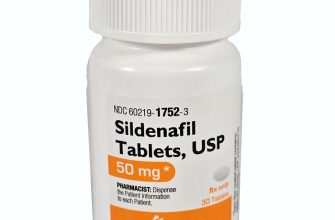
Focus your Viagra ad campaign on highlighting improved intimacy and relationship satisfaction. Research shows men value connection and emotional well-being alongside physical performance. Target messaging accordingly; don’t just sell potency, sell the enhanced quality of life that can result.
Use visuals that subtly suggest improved confidence and vitality, rather than relying on explicit imagery. A happy couple enjoying a shared activity, for instance, speaks volumes without being crass. Remember, subtlety often resonates more powerfully.
Consider a multi-channel approach. Online video ads targeting specific demographics (age, lifestyle) offer precise reach. Simultaneously, print ads in carefully selected publications maintain brand presence and appeal to a broader audience. Balance both strategies for optimal results.
Always adhere to advertising regulations concerning pharmaceuticals. Accurate information, responsible messaging, and clear disclaimers are paramount. Legal compliance prevents issues and maintains consumer trust.
Data-driven optimization is key. Track campaign performance closely, analyzing metrics such as click-through rates and conversion rates. Use this data to refine your strategy in real-time and maximize your return on investment. A/B testing different ad creatives is also highly recommended.
- Viagra Ad: A Deep Dive
- Targeting Your Audience
- Visual Storytelling
- Call to Action
- Legal Considerations
- Measuring Success
- Beyond the Visuals
- The Evolution of Viagra Advertising: From Subtlety to Boldness
- Early Campaigns: The Subtle Approach
- The Shift to Direct Messaging: Bold and Unapologetic
- Modern Trends: A Focus on Relationships and Comprehensive Wellness
- Modern Approaches: Beyond the Pill
- Decoding the Visual Language of Viagra Ads: Imagery and Symbolism
- The Regulatory Landscape and Ethical Considerations Surrounding Viagra Advertising
- The Impact of Viagra Advertising on Societal Perceptions of Male Sexuality and Aging
- Shifting Perceptions: Beyond the Pill
- The Future of Messaging: A Balanced Approach
Viagra Ad: A Deep Dive
Focus your Viagra ad campaign on the specific anxieties men face regarding sexual performance. Instead of generic promises, highlight tangible benefits. For example, show a couple enjoying a relaxed evening, subtly implying improved intimacy rather than overtly focusing on the act itself.
Targeting Your Audience
Avoid broad generalizations. Instead, create targeted ads for specific demographics. Consider age, relationship status, and lifestyle. A 30-year-old may respond differently to an ad than a 60-year-old. Tailor your messaging and visuals accordingly. Use clear, concise language; avoid medical jargon.
Visual Storytelling
Show, don’t tell. Use visuals that evoke feelings of confidence, connection, and vitality. Avoid clichés like overly muscular men or unrealistic scenarios. Opt for relatable images that portray natural interactions between partners. A simple, genuine smile can be far more effective than a forced grin.
Call to Action
Provide a clear and easy way for potential customers to learn more. Include a website URL or a phone number. Offer a discreet consultation option for those seeking more personalized information. Consider offering a free informational booklet or e-book. A strong call to action significantly increases conversion rates.
Legal Considerations
Always comply with advertising regulations regarding pharmaceutical products. Accuracy in claims and responsible disclosure of potential side effects are paramount. Ensure all your materials meet FDA guidelines for accuracy and responsible marketing.
Measuring Success
Track key metrics like website traffic, call volume, and sales conversions. Analyze the data to refine your campaign over time. Adapt your approach based on what works best. Regular monitoring ensures your advertising dollars are used efficiently.
Beyond the Visuals
Remember the power of testimonials. Authentic stories from satisfied users can build trust and credibility. Always obtain proper consent before using testimonials.
The Evolution of Viagra Advertising: From Subtlety to Boldness
Viagra’s marketing shifted dramatically over the years. Early campaigns relied on subtle imagery and indirect messaging, focusing on improved quality of life rather than direct sexual enhancement. Think whispered conversations and suggestive visuals.
Early Campaigns: The Subtle Approach
- Early ads featured men engaging in activities like golfing or hiking, subtly implying increased energy and vitality.
- The focus was on improved overall well-being, indirectly connecting it to sexual health.
- Copy emphasized improved confidence and relationships, avoiding explicit references to sexual performance.
This strategy aimed to destigmatize erectile dysfunction (ED) and make it easier for men to discuss with their doctors. However, the indirect approach limited the reach and impact.
The Shift to Direct Messaging: Bold and Unapologetic
Later campaigns adopted a bolder, more direct approach. This was largely driven by increased awareness of ED and a less conservative social climate.
- Ads began featuring couples openly interacting and displaying intimacy.
- Copy directly addressed ED and its impact on relationships, using clear and confident language.
- Specific benefits like improved erections and sexual satisfaction became central to the message.
Modern Trends: A Focus on Relationships and Comprehensive Wellness
Modern Approaches: Beyond the Pill
Recent advertising trends show a move towards integrating Viagra into a broader narrative of men’s health and well-being. They now address related issues like overall health and relationship dynamics.
- Ads emphasize the importance of open communication between partners.
- Some campaigns integrate lifestyle advice, suggesting healthy habits alongside medication.
- A focus on the positive impact on relationships and a more holistic approach to health is evident.
The evolution of Viagra advertising demonstrates how effective marketing strategies adapt to changing societal norms and consumer expectations. From subtle hints to open conversations, the journey reflects a shift in public perception and a more inclusive approach to men’s health.
Decoding the Visual Language of Viagra Ads: Imagery and Symbolism
Viagra ads rarely show the medication directly. Instead, they rely heavily on evocative imagery to communicate their message. Consider the recurring motif of active, energetic couples enjoying outdoor activities like hiking or sailing. This imagery subtly suggests enhanced vitality and improved relationships, connecting those benefits to the drug’s effects.
Color palettes often favor warm, inviting tones like oranges and golds, creating a feeling of comfort and optimism. This positive association contrasts sharply with the often-stigmatized nature of erectile dysfunction, making the product feel more approachable.
Subtle symbolism plays a significant role. Images of sunrises frequently appear, symbolizing new beginnings and renewed energy. Similarly, scenes depicting strong, confident men often suggest restored self-esteem and masculinity. These visual cues work subconsciously, associating positive feelings with Viagra’s use.
The choice of settings is also strategic. Advertisements rarely show clinical environments; instead, they prefer natural, beautiful locations. This strategy connects the drug with feelings of freedom, adventure, and natural vitality. The contrast between the implied problem and the depicted solution is powerful.
Analyzing the composition and framing further illuminates the message. Close-ups often focus on expressions of joy and intimacy, conveying the personal rewards associated with improved sexual health. The overall visual narrative aims to instill hope and present Viagra as a pathway to a more fulfilling life.
The Regulatory Landscape and Ethical Considerations Surrounding Viagra Advertising
Advertising Viagra requires strict adherence to guidelines set by regulatory bodies like the FDA in the US and the MHRA in the UK. These agencies dictate permissible claims, required disclosures, and target audience restrictions.
For example, ads must accurately represent Viagra’s efficacy and clearly state potential side effects. Overstating benefits or minimizing risks is strictly prohibited, leading to significant penalties. Targeting vulnerable populations, such as those with underlying health conditions that contraindicate Viagra use, is also forbidden.
Ethical considerations extend beyond legal requirements. Responsible advertising avoids exploiting anxieties about sexual performance. It promotes informed consent by encouraging consultation with healthcare professionals before use. Respectful depictions of older adults and diverse demographics are crucial for ethical advertising.
Transparency is key. Ads must clearly identify the drug as Viagra and state its intended use. Disclaimers should be prominent and easily understandable.
| Regulatory Body | Key Advertising Restrictions |
|---|---|
| FDA (US) | Accurate efficacy claims, clear side effect disclosure, no targeting of vulnerable populations. |
| MHRA (UK) | Similar to FDA, with specific guidelines on language and visuals. Emphasis on responsible use. |
Failure to comply with regulations and ethical standards can result in significant fines, advertising bans, and reputational damage for pharmaceutical companies. Continuous monitoring and adherence to evolving guidelines are necessary for responsible Viagra advertising.
The Impact of Viagra Advertising on Societal Perceptions of Male Sexuality and Aging
Viagra’s advertising campaigns significantly shaped societal views on male sexuality and aging. Early ads focused on restoring youthful vigor, subtly linking sexual performance with masculinity and worth. This implicitly positioned aging men as needing medical intervention to maintain their sexual prowess. Studies show this marketing strategy increased pressure on men to achieve and maintain high sexual performance regardless of age or health status.
Shifting Perceptions: Beyond the Pill
More recent campaigns have broadened their focus, acknowledging diverse relationships and emphasizing improved intimacy alongside sexual function. This represents a subtle shift, moving away from solely a performance-based narrative. However, the initial impact remains: the association of erectile dysfunction with diminished masculinity continues to influence societal expectations. Further research is needed to assess the long-term effects of these evolving marketing strategies on men’s self-image and relationships.
The Future of Messaging: A Balanced Approach
Advertising should prioritize responsible messaging, emphasizing that erectile dysfunction is a common and treatable condition, not a reflection of overall health or masculinity. Focusing on improved quality of life and partnership, rather than solely sexual performance, might mitigate the negative consequences of earlier campaigns. Open conversations about aging and sexuality are necessary to counter the potentially harmful implications of past advertising strategies. A balanced approach, focusing on health and well-being alongside sexual function, would be beneficial for men’s mental and emotional health.