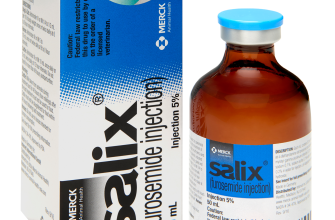
Diflucan, containing fluconazole, directly targets the Candida fungus responsible for many yeast infections. It’s a highly effective oral medication, often prescribed for both vaginal and oral yeast infections. Remember to always consult your doctor before starting any medication.
Dosage varies depending on the type and severity of your infection. Your physician will determine the appropriate dosage and duration of treatment. Typical regimens range from a single dose to several days or weeks of daily medication. Strict adherence to the prescribed dosage schedule is key for successful treatment.
While generally safe, Diflucan can cause side effects, such as nausea, headache, and abdominal pain. More serious side effects are rare but possible. Report any unusual symptoms or adverse reactions to your doctor immediately. Understanding potential side effects allows you to manage them proactively.
Important Note: Diflucan is not a preventative measure. Maintaining a healthy lifestyle, including proper hygiene and a balanced diet, is crucial in preventing yeast infections. This approach offers a complementary strategy to medication.
- Yeast Infection Pill Diflucan: A Detailed Guide
- What is Diflucan and How Does it Work?
- Common Types of Yeast Infections Treated by Diflucan
- Other Yeast Infections Treated with Diflucan
- Important Considerations
- Dosage and Administration of Diflucan for Yeast Infections
- Oral Administration
- Dosage Adjustments
- Important Considerations
- Potential Side Effects and Precautions of Diflucan
- Serious Side Effects: When to Seek Immediate Medical Attention
- Diflucan vs. Other Yeast Infection Treatments
- When to See a Doctor and Alternatives to Diflucan
- Important Note: Consult Your Doctor Before Using Diflucan
Yeast Infection Pill Diflucan: A Detailed Guide
Diflucan, or fluconazole, is a common antifungal medication prescribed for yeast infections. It’s a single-dose treatment for many, but always follow your doctor’s instructions.
Here’s what you need to know:
- Dosage: Your doctor determines the correct dosage based on the infection’s severity and your health. Typical single-dose treatment is 150mg. Multiple-dose regimens exist for more severe infections.
- Administration: Diflucan is usually taken orally with or without food. Always follow the specific instructions provided with your prescription.
- Side effects: Common side effects include nausea, headache, and diarrhea. More serious but rare side effects require immediate medical attention. Consult the medication leaflet for a complete list.
- Contraindications: Diflucan may not be suitable for everyone. Inform your doctor of any existing medical conditions, allergies, or medications you’re currently taking.
- Interactions: Diflucan can interact with other drugs. Always disclose all medications and supplements to your doctor or pharmacist to avoid potential interactions.
Remember:
- Self-treating can be dangerous. See a healthcare professional for diagnosis and treatment.
- Complete the full course of medication. Don’t stop taking Diflucan prematurely, even if you feel better.
- Contact your doctor if your symptoms worsen or don’t improve after treatment.
- Store Diflucan according to the instructions on the label.
This information is for educational purposes only and does not substitute professional medical advice. Always consult a doctor before starting any medication.
What is Diflucan and How Does it Work?
Diflucan, containing fluconazole, is an antifungal medication. It specifically targets a type of fungus called Candida, a common cause of yeast infections. Diflucan works by interfering with the fungus’s ability to produce ergosterol, a vital component of its cell membrane.
This disruption weakens the fungal cell membrane, ultimately leading to the fungus’s death. This targeted action minimizes harm to human cells, making it generally well-tolerated. The medication is absorbed into the bloodstream and reaches various parts of the body to combat infections effectively.
Diflucan is available in various forms, including oral tablets and capsules, allowing for convenient administration. Your doctor will determine the appropriate dosage and duration of treatment based on your specific condition and health.
Remember to always follow your doctor’s instructions carefully. They can provide personalized advice and monitor your progress. While Diflucan is generally safe, possible side effects include nausea, headache, and diarrhea. Inform your doctor about any unusual symptoms you experience.
Common Types of Yeast Infections Treated by Diflucan
Diflucan (fluconazole) effectively treats various yeast infections. The most common are:
- Vulvovaginal Candidiasis: This is a yeast infection affecting the vagina and vulva, causing itching, burning, and discharge. Diflucan is a popular oral treatment option.
- Oropharyngeal Candidiasis (Thrush): This infection occurs in the mouth and throat, resulting in white patches and soreness. Diflucan effectively treats this condition, especially in immunocompromised individuals.
Other Yeast Infections Treated with Diflucan
While less frequent, Diflucan also targets:
- Esophageal Candidiasis: A yeast infection of the esophagus, causing difficulty swallowing and chest pain. Oral Diflucan is often prescribed.
- Candidemia: This is a bloodstream infection caused by Candida. Diflucan is used in severe cases, often in conjunction with other treatments. This requires close medical supervision.
- Invasive Candidiasis: This severe infection spreads from the bloodstream to other organs. Treatment with Diflucan is usually part of a broader, aggressive approach.
Important Considerations
Remember, Diflucan is a prescription medication. Always consult your doctor before using it. Self-treating can be harmful. Your doctor will determine the correct dosage and treatment duration based on your specific infection and health status. They will also discuss potential side effects and interactions with other medications.
Dosage and Administration of Diflucan for Yeast Infections
Diflucan, or fluconazole, is typically prescribed as a single dose of 150 mg for vaginal yeast infections. This one-time dose often provides effective treatment. For more severe or recurrent infections, your doctor might recommend a longer course of treatment, usually involving daily doses for several weeks. The specific dosage and duration depend on factors such as the severity of your infection, your overall health, and other medications you are taking.
Oral Administration
Diflucan comes in capsule form and is taken orally. Swallow the capsule whole with a glass of water. Take it with or without food, but maintaining consistency is helpful for absorption. Avoid crushing or chewing the capsule.
Dosage Adjustments
Kidney problems: If you have kidney problems, your doctor might adjust your Diflucan dosage to prevent drug buildup. They’ll consider your kidney function before determining the appropriate dose. Liver problems: Diflucan is primarily processed by the liver. If you have liver problems, your doctor will carefully assess your condition and possibly adjust your treatment plan accordingly. Always inform your doctor about any pre-existing medical conditions.
Important Considerations
Always follow your doctor’s instructions carefully. Never increase or decrease the dosage or discontinue treatment without consulting your doctor. If you experience any side effects, such as nausea, vomiting, diarrhea, or rash, contact your doctor immediately.
Potential Side Effects and Precautions of Diflucan
Diflucan, while effective, can cause side effects. Common ones include headache, nausea, diarrhea, and stomach pain. These usually are mild and resolve without treatment. However, report any persistent or worsening symptoms to your doctor.
Serious Side Effects: When to Seek Immediate Medical Attention
Rare but serious side effects require immediate medical attention. These include severe allergic reactions (rash, hives, difficulty breathing, swelling), liver problems (yellowing of skin or eyes, dark urine, unusual fatigue), and serious skin reactions (Stevens-Johnson syndrome). If you experience any of these, stop taking Diflucan and contact your doctor or seek emergency care immediately.
Before starting Diflucan, inform your doctor about all medications you take, including over-the-counter drugs and supplements. This helps prevent potential drug interactions. Women who are pregnant, breastfeeding, or planning pregnancy should discuss Diflucan use with their doctor, as it can affect a developing fetus or breastfeeding infant. Individuals with liver or kidney problems should also discuss this medication with their doctor, as dosage adjustments might be necessary.
Diflucan can interact with certain medications, including warfarin and some anticonvulsants. Your doctor will assess potential interactions and adjust your treatment plan accordingly. Always follow your doctor’s instructions regarding dosage and duration of treatment. Do not stop taking Diflucan prematurely, even if your symptoms improve. Completing the full course is vital for effective treatment and to prevent recurrence.
Diflucan vs. Other Yeast Infection Treatments
Diflucan (fluconazole) offers a single-dose oral treatment option, convenient for many. However, other treatments exist, each with its own advantages and disadvantages.
Over-the-counter antifungal creams like Monistat (miconazole) or Terconazole provide local treatment, ideal for mild infections. They’re readily available, but may require several days of application. Consider these options if you prefer avoiding oral medication.
Another oral option, fluconazole, comes in different dosages. A single dose is effective for many, but your doctor might prescribe a multi-day course for more severe infections. Remember, always follow your doctor’s instructions precisely.
Butoconazole is another topical antifungal available without a prescription, offering similar convenience to miconazole and terconazole. The application method and treatment duration will differ slightly from product to product, so always read the instructions carefully.
Your best treatment depends on your specific situation and infection severity. Factors to discuss with your doctor include the frequency of yeast infections, any underlying conditions, and allergies to medications. A consultation with a medical professional is crucial before starting any treatment to determine the best approach for your individual needs.
When to See a Doctor and Alternatives to Diflucan
Schedule a doctor’s appointment if your yeast infection symptoms persist after a week of home treatment, worsen, or recur frequently. Severe symptoms like high fever, abdominal pain, or vaginal bleeding warrant immediate medical attention.
Diflucan isn’t the only option. Your doctor might suggest alternative antifungal medications like clotrimazole or miconazole creams, available over-the-counter. These topical treatments are effective for mild infections. For recurrent infections or those resistant to over-the-counter options, oral medications other than Diflucan, such as fluconazole (brand name Diflucan’s active ingredient) in a different dosage form or a different antifungal drug entirely, may be prescribed.
Lifestyle changes can also help prevent yeast infections. Maintaining good hygiene, wearing breathable cotton underwear, and avoiding douching can reduce your risk. A balanced diet, managing stress, and addressing underlying health conditions may also prove beneficial.
Remember: This information is for general knowledge and doesn’t replace professional medical advice. Always consult a healthcare provider for diagnosis and treatment.
Disclaimer: This information is not a substitute for professional medical advice. Always consult your doctor or other qualified healthcare provider with any questions you may have regarding a medical condition.
Important Note: Consult Your Doctor Before Using Diflucan
Diflucan, while effective for yeast infections, isn’t a one-size-fits-all solution. Your doctor needs to assess your specific situation to ensure it’s the right treatment for you.
Several factors influence this decision. Your medical history plays a crucial role. Conditions like liver or kidney problems can affect how your body processes Diflucan, potentially leading to complications. Also, other medications you’re taking may interact negatively with Diflucan, reducing its effectiveness or causing unwanted side effects.
A proper diagnosis is key. While you may suspect a yeast infection, other conditions can mimic its symptoms. Your doctor can perform a test to confirm the diagnosis and rule out other possibilities before prescribing treatment.
Consider these potential complications:
| Possible Complication | Symptoms |
|---|---|
| Liver problems | Jaundice, abdominal pain, dark urine |
| Allergic reaction | Rash, itching, swelling |
| Drug interactions | Increased or decreased effectiveness of other medications |
Ignoring these factors could lead to ineffective treatment or even health risks. A consultation allows your doctor to tailor a treatment plan that considers your individual needs and health profile, ensuring you receive the safest and most effective care.
Schedule an appointment today to discuss your symptoms and explore the best course of action for your health.