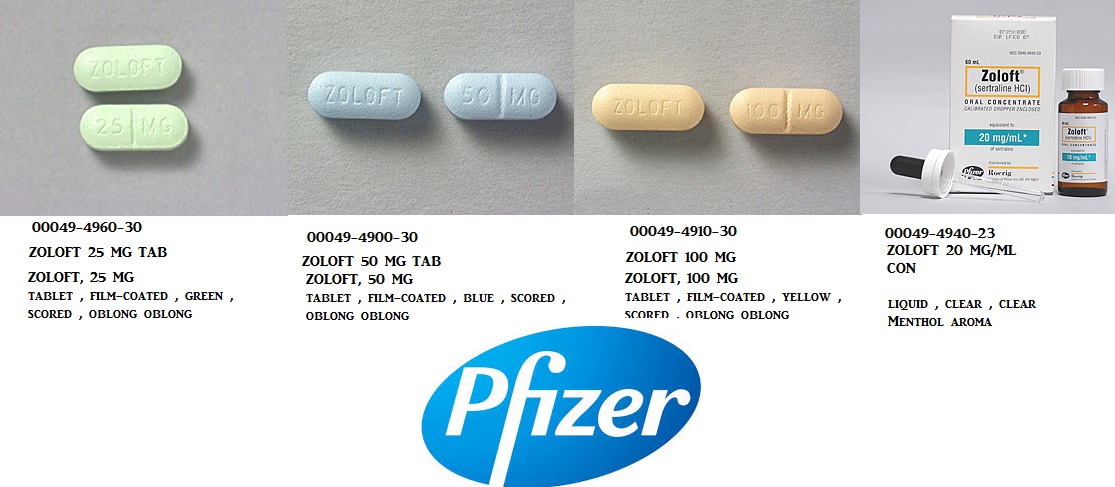
Choosing between Zoloft 50 mg and 100 mg hinges on individual needs and response to treatment. Your doctor will determine the appropriate dosage based on your specific symptoms, medical history, and overall health. A 50 mg dose often serves as a starting point, allowing for gradual titration upwards if needed. This approach minimizes potential side effects while gradually increasing the medication’s effectiveness.
Increasing to 100 mg might be necessary if your symptoms aren’t adequately managed at the lower dosage. However, this isn’t always the case; some individuals find significant relief with 50 mg. The decision isn’t about higher being better; it’s about finding the minimum effective dose for you. Remember to discuss any changes in dosage with your healthcare provider.
Side effects vary widely between individuals. Common side effects at either dosage include nausea, drowsiness, and insomnia. Higher doses may increase the likelihood or severity of these, though this isn’t guaranteed. Open communication with your doctor is key to managing potential side effects and adjusting your treatment plan accordingly. Regular monitoring of your progress is crucial to ensure the dosage remains appropriate.
Never alter your dosage without your doctor’s explicit instruction. Adjusting your medication independently can be dangerous and potentially ineffective. Consistent communication and careful monitoring are the cornerstones of successful treatment.
- Dosage Recommendations and Starting Points
- Increasing to 100 mg
- Individualized Treatment
- Starting Low, Going Slow
- Common Side Effects at Each Dosage
- Zoloft 50mg: Common Side Effects
- Zoloft 100mg: Common Side Effects
- Effectiveness for Different Conditions (Depression, Anxiety, OCD)
- Anxiety Disorders
- Obsessive-Compulsive Disorder (OCD)
- Medication Interactions: What to Avoid
- Potential for Withdrawal Symptoms
- Factors Influencing Withdrawal
- Managing Withdrawal
- Seeking Support
- Adjusting Dosage: Gradual Increases and Decreases
- Monitoring for Treatment Response and Side Effects
- Tracking Your Progress
- Recognizing and Reporting Side Effects
- Open Communication
- Long-Term Use and Considerations
Dosage Recommendations and Starting Points
Zoloft typically starts at 25 mg daily, gradually increasing to 50 mg after a week. Many patients find 50 mg effective. However, some require a higher dose for symptom relief.
Increasing to 100 mg
Increasing to 100 mg is a decision made in collaboration with your doctor. They’ll monitor your progress and adjust the dosage based on your response to treatment. This gradual increase minimizes potential side effects. This process often takes several weeks, allowing for careful observation.
Individualized Treatment
Remember, the right Zoloft dosage varies greatly. Factors like your specific condition, overall health, and response to medication influence the optimal dose. Don’t adjust your dosage without consulting your physician. Your doctor will tailor your treatment plan to your unique needs.
Starting Low, Going Slow
Beginning with a lower dose (25mg) allows your body to adapt, reducing the likelihood of experiencing significant side effects. This approach minimizes discomfort and allows for a smoother transition to a potentially higher dose if necessary.
Common Side Effects at Each Dosage
Both 50mg and 100mg Zoloft dosages can cause side effects, but their frequency and severity may differ. Let’s examine common issues reported at each level.
Zoloft 50mg: Common Side Effects
At 50mg, many experience mild nausea, drowsiness, and dry mouth. Some also report headaches, insomnia, or constipation. These usually lessen as your body adjusts. However, persistent or worsening symptoms necessitate contacting your doctor.
Zoloft 100mg: Common Side Effects
Increasing the dose to 100mg can intensify existing side effects. While nausea and drowsiness remain common, you might experience more pronounced effects like dizziness, sweating, or tremors. Sexual dysfunction, such as decreased libido or erectile difficulties, is also more frequently reported at the higher dosage. Again, any concerning symptom needs medical attention.
| Side Effect | 50mg Frequency | 100mg Frequency |
|---|---|---|
| Nausea | Common | More Common |
| Drowsiness | Common | More Common |
| Dry Mouth | Common | Common |
| Headache | Common | Common |
| Sexual Dysfunction | Less Common | More Common |
| Dizziness | Less Common | More Common |
Remember, this table provides general information. Individual experiences vary greatly. Always discuss your specific concerns with your healthcare provider.
Effectiveness for Different Conditions (Depression, Anxiety, OCD)
Dosage selection for Zoloft depends heavily on the specific condition and individual response. For depression, studies show that 50mg is often a starting point, with increases to 100mg or higher if needed. Many find adequate relief at 50mg, while others require the higher dose. Your doctor will carefully monitor your progress and adjust the dosage accordingly.
Anxiety Disorders
In generalized anxiety disorder (GAD), the 100mg dose might be preferred by some patients, though response varies widely. Starting at 50mg and gradually increasing allows for personalized titration to find the optimal dose that manages symptoms without excessive side effects. Panic disorder and social anxiety disorder treatments often also begin at 50mg, possibly increasing to 100mg based on efficacy and tolerance.
Obsessive-Compulsive Disorder (OCD)
For obsessive-compulsive disorder (OCD), treatment often involves higher doses of Sertraline than are typically used for depression or generalized anxiety. Many individuals with OCD find that 100mg is a more effective starting point, sometimes even requiring doses substantially higher than this. Again, close monitoring and dose adjustments are key.
Remember: This information is for general knowledge only. Always consult your physician or psychiatrist for personalized recommendations regarding Zoloft dosage and treatment. They will consider your individual medical history, other medications, and response to treatment in determining the most appropriate course of action.
Medication Interactions: What to Avoid
Always inform your doctor about all medications you’re taking, including over-the-counter drugs, supplements, and herbal remedies. This includes prescription medications, even if you are only taking them occasionally.
Specifically, be cautious with the following:
- MAO Inhibitors (MAOIs): Combining Zoloft with MAOIs can lead to a serious condition called serotonin syndrome. Avoid concurrent use.
- Serotonergic Drugs: Drugs that increase serotonin levels, like other antidepressants (SSRIs, SNRIs, tricyclics), St. John’s Wort, and certain migraine medications (triptans), can heighten the risk of serotonin syndrome when taken with Zoloft. Discuss alternative options with your doctor.
- NSAIDs (Non-Steroidal Anti-inflammatory Drugs): While not always problematic, NSAIDs like ibuprofen or naproxen can increase the risk of bleeding, especially when taken at high doses or with Zoloft. Monitor for unusual bleeding.
- Warfarin: Zoloft may affect how your body processes warfarin (a blood thinner). Regular blood tests are necessary to ensure your dosage remains safe.
- Lithium: Combining Zoloft and lithium requires careful monitoring due to potential interactions affecting levels of both medications in the blood.
This list isn’t exhaustive, and other interactions are possible. Always consult your doctor or pharmacist before starting or stopping any medication, especially while taking Zoloft.
- Provide your doctor with a complete list of your medications.
- Report any new or worsening symptoms immediately.
- Follow your doctor’s instructions carefully.
Proactive communication with your healthcare provider is key to minimizing potential medication interactions and ensuring your safety.
Potential for Withdrawal Symptoms
Stopping Zoloft, whether you’re on 50mg or 100mg, can cause withdrawal symptoms. These aren’t always severe, but they’re a possibility. Common symptoms include dizziness, headache, nausea, and sleep disturbances. The intensity and duration vary greatly between individuals.
Factors Influencing Withdrawal
Several factors influence the likelihood and severity of withdrawal. Your dosage (higher doses may lead to more intense withdrawal), duration of treatment (longer treatment often means a higher risk), and how quickly you stop taking the medication all play significant roles. Rapid discontinuation increases the risk compared to a gradual tapering.
Managing Withdrawal
Gradual tapering is crucial. Your doctor should guide you through a slow reduction of your dose, typically over several weeks or months. This minimizes the chances of unpleasant withdrawal effects. Never stop Zoloft suddenly without consulting your physician. They can help you create a personalized tapering plan based on your specific situation and medical history. Open communication with your doctor is paramount.
Seeking Support
If you experience withdrawal symptoms, contact your doctor immediately. They can offer advice and, if needed, adjust your tapering schedule or prescribe medication to help manage the symptoms. Remember, you’re not alone, and support is available.
Adjusting Dosage: Gradual Increases and Decreases
Never adjust your Zoloft dosage without consulting your doctor. Changes should always be gradual to minimize potential side effects.
Increasing dosage: Your doctor might increase your dose from 50mg to 100mg over several weeks. A common approach is a gradual increase, perhaps by 25mg every week or two, allowing your body to adapt. This reduces the likelihood of experiencing significant side effects.
Decreasing dosage: Stopping Zoloft abruptly is risky. Your doctor will likely create a tapering schedule, gradually lowering your dosage over several weeks or even months. This prevents withdrawal symptoms, which can include nausea, dizziness, headaches, and anxiety. The specific tapering plan will depend on your individual needs and response to the medication.
Monitoring is key: Throughout any dosage adjustment, closely monitor your symptoms and report any changes to your physician. Open communication with your healthcare provider is crucial for safe and effective medication management.
Individual responses vary: Remember that everyone reacts differently to medications. What works for one person may not work for another. Your doctor will personalize your treatment based on your specific circumstances and progress.
Monitoring for Treatment Response and Side Effects
Regularly track your symptoms. Maintain a journal noting mood, anxiety levels, and sleep quality. This provides valuable data for you and your doctor.
Tracking Your Progress
- Mood: Use a rating scale (e.g., 1-10, with 1 being worst and 10 best) to quantify your mood daily.
- Anxiety: Similarly, rate your anxiety levels daily. Consider noting specific triggers if possible.
- Sleep: Record sleep duration and quality. Note any difficulties falling asleep, staying asleep, or feeling rested upon waking.
- Appetite: Monitor changes in appetite and weight. Significant changes should be reported to your physician.
Schedule follow-up appointments with your doctor as directed. This allows for objective assessment of treatment response and necessary adjustments.
Recognizing and Reporting Side Effects
Be aware of potential side effects. Common side effects include nausea, headache, drowsiness, and sexual dysfunction. Less common but serious side effects require immediate medical attention.
- Nausea/Headache: These are often mild and may subside with time. However, persistent or severe symptoms need to be reported.
- Drowsiness: This can impact daily activities. Discuss alternative medication times or dosage adjustments with your doctor.
- Sexual Dysfunction: Changes in libido or performance should be discussed openly with your physician. Management strategies exist.
- Serotonin Syndrome: This is a rare but serious condition requiring immediate medical attention. Symptoms include high fever, agitation, rapid heart rate, and muscle rigidity.
Open Communication
Maintain open communication with your doctor. Don’t hesitate to discuss any concerns or changes in your condition, even if seemingly minor. Your active participation is key to successful treatment.
Long-Term Use and Considerations
Consult your doctor regularly for ongoing monitoring. Blood tests and checkups help track your progress and identify any potential side effects.
Adjustments to your dosage are possible. While 50mg or 100mg might be your starting point, your needs may change over time. Open communication with your physician is vital for determining the best long-term dosage.
Long-term Zoloft use can affect various aspects of your life. For example, it may impact libido, sleep patterns, or weight. These are common side effects and often manageable with adjustments. Discuss any concerns you have with your doctor. They may suggest adjustments to your medication or offer additional strategies.
Consider potential interactions with other medications. Be sure to inform your doctor about all medications, supplements, and herbal remedies you take before starting or continuing Zoloft therapy. This is crucial for preventing negative interactions.
Gradual tapering is recommended when stopping Zoloft. Never stop abruptly. Your doctor will provide a safe and gradual reduction plan to minimize withdrawal symptoms.
Monitor your mental and physical health closely. Pay attention to changes in mood, energy levels, or physical well-being. Promptly report any new or worsening symptoms to your physician. Regular monitoring supports consistent improvement and addresses challenges effectively.
Lifestyle changes can complement Zoloft’s effects. Exercise, balanced nutrition, and sufficient sleep improve mental health and overall well-being. These habits can enhance the benefits of your medication.