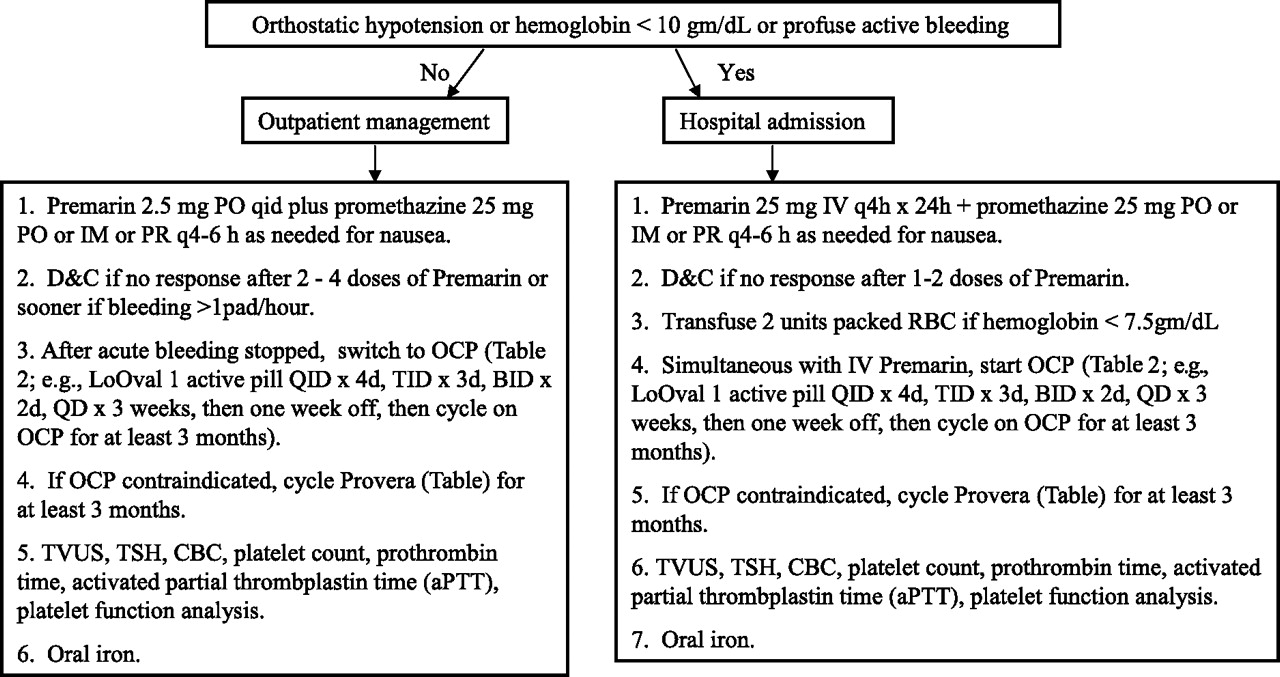
Aygestin, containing norethindrone acetate, often helps control breakthrough bleeding. This medication works by regulating hormone levels, thereby reducing or stopping uterine bleeding. Remember, however, that it’s crucial to consult your doctor before using Aygestin for this purpose.
Your physician will assess your individual medical history and current health status to determine the appropriateness of Aygestin. They will also discuss potential side effects, which can include nausea, weight changes, and mood swings. Open communication with your doctor ensures safe and effective management of your bleeding.
The dosage of Aygestin varies depending on your specific needs and your doctor’s recommendations. Strictly adhere to the prescribed dosage and regimen. Never adjust your medication without first consulting your healthcare provider. Failing to do so might compromise treatment effectiveness and potentially lead to unforeseen complications.
Important Note: Aygestin is not a cure-all for abnormal uterine bleeding. Underlying medical conditions might require different treatment approaches. Therefore, a thorough medical evaluation is imperative before starting any medication, including Aygestin, to address bleeding issues. Always prioritize professional medical advice.
- Aygestin to Stop Bleeding: A Detailed Guide
- Understanding Aygestin’s Role in Stopping Breakthrough Bleeding
- Dosage and Administration: How to Take Aygestin Effectively
- Missed Dose
- Storage
- Important Note
- Further Guidance
- Potential Side Effects and Risks Associated with Aygestin Use
- Serious Side Effects Requiring Immediate Medical Attention
- Medication Interactions
- When to Consult a Doctor: Recognizing When Aygestin Isn’t the Right Solution
- Situations Requiring Immediate Medical Attention:
- Consider Alternative Treatments:
Aygestin to Stop Bleeding: A Detailed Guide
Aygestin, containing norethindrone acetate, effectively controls breakthrough bleeding in women taking birth control pills or experiencing irregular periods. It works by regulating hormone levels, thus reducing or stopping uterine bleeding.
Your doctor will determine the appropriate dosage and duration of Aygestin treatment based on your individual needs. Commonly prescribed regimens involve taking one to two pills daily for five to ten days. Always adhere strictly to your physician’s instructions.
While Aygestin is generally safe, potential side effects include nausea, breast tenderness, weight changes, and mood swings. Inform your doctor about any adverse reactions you experience.
Before starting Aygestin, discuss your medical history, including any pre-existing conditions like liver disease or blood clots, with your doctor. This medication may interact with other drugs; be sure to disclose all medications you are currently taking.
Aygestin isn’t a solution for all types of bleeding. It’s particularly suitable for managing breakthrough bleeding associated with hormonal imbalances. Other causes of abnormal bleeding require different treatments. Consult your doctor for accurate diagnosis and treatment.
Regular follow-up appointments with your gynecologist are necessary to monitor treatment progress and address any concerns. This ensures you receive appropriate care and management throughout the process.
Remember, this information is for educational purposes only and does not replace professional medical advice. Always consult your doctor before starting any new medication, including Aygestin.
Understanding Aygestin’s Role in Stopping Breakthrough Bleeding
Aygestin, containing norethindrone acetate, regulates hormones to control irregular bleeding. This helps stop breakthrough bleeding–bleeding that occurs between your regular periods–by balancing hormone levels in your body.
How it works: Norethindrone acetate mimics progesterone, a hormone vital for regulating the menstrual cycle. By increasing progesterone levels, Aygestin thickens the uterine lining, reducing shedding and thus, bleeding. The medication’s impact varies; some women see results within days, while others may need a longer treatment course.
Important Note: Aygestin isn’t a one-size-fits-all solution. The duration of treatment depends on your specific situation and your doctor’s recommendations. They will assess your medical history and current health status to determine the appropriate dosage and treatment length.
Potential Side Effects: While generally well-tolerated, Aygestin can cause side effects like weight changes, mood swings, breast tenderness, and acne. If you experience any unusual side effects, contact your doctor immediately.
Dosage and Administration: Always follow your doctor’s instructions regarding dosage and administration. Never adjust the dosage or stop taking the medication without consulting your physician.
Seeking Professional Advice: Aygestin is a prescription medication. Consult your healthcare provider to determine if it’s the right choice for you and to discuss potential risks and benefits. They can provide personalized guidance and monitor your progress throughout the treatment.
Dosage and Administration: How to Take Aygestin Effectively
Always follow your doctor’s instructions precisely. The prescribed dosage varies depending on your specific condition and medical history. Commonly, Aygestin is taken once daily, usually with food, to minimize potential stomach upset.
Missed Dose
If you miss a dose, take it as soon as you remember, unless it’s almost time for your next dose. Never double up on doses. Contact your doctor if you have concerns about missed doses or experience any unexpected symptoms.
Storage
Store Aygestin tablets at room temperature, away from moisture and direct sunlight. Keep them out of reach of children and pets. Check the expiration date on the packaging and discard any expired medication properly.
Important Note
Never change your dosage without consulting your physician. Changes in dosage can impact the medication’s ability to control bleeding and may have other unintended consequences. Report any adverse reactions or unusual symptoms to your healthcare provider immediately. Consistent adherence to the prescribed regimen is crucial for achieving the desired results.
Further Guidance
For detailed information regarding your individual medication plan, please consult your healthcare provider or pharmacist. They can provide tailored advice and answer any questions you might have about Aygestin.
Potential Side Effects and Risks Associated with Aygestin Use
Aygestin, while effective for controlling bleeding, carries potential side effects. These can range from mild to severe. Common side effects include headaches, nausea, and breast tenderness. These typically subside as your body adjusts to the medication.
Serious Side Effects Requiring Immediate Medical Attention
Less common, but more serious, are blood clots, stroke, or heart attack. Seek immediate medical care if you experience sudden chest pain, shortness of breath, severe leg pain, or changes in vision. These symptoms warrant prompt attention. Also, report any unusual vaginal bleeding or spotting, severe abdominal pain, or jaundice (yellowing of the skin or eyes) to your doctor immediately.
Before starting Aygestin, discuss your medical history with your doctor, including any existing conditions like liver disease, blood clotting disorders, or a history of stroke or heart attack. They can help you assess the risks and benefits based on your individual circumstances. Remember, regular checkups are important while taking Aygestin to monitor your health and address any concerns.
Medication Interactions
Certain medications can interact with Aygestin. Inform your doctor about all medications, supplements, and herbal remedies you are taking to prevent potential interactions. This includes over-the-counter drugs and prescription medications. Accurate information ensures safe and effective treatment.
When to Consult a Doctor: Recognizing When Aygestin Isn’t the Right Solution
Seek immediate medical attention if your bleeding doesn’t stop or worsens after starting Aygestin. This is especially critical if you experience heavy bleeding accompanied by dizziness, fainting, or significant weakness.
Situations Requiring Immediate Medical Attention:
- Severe abdominal pain
- High fever (above 100.4°F or 38°C)
- Chest pain
- Shortness of breath
- Symptoms suggestive of a blood clot, such as leg swelling or pain
Contact your doctor promptly if you experience:
- Persistent nausea or vomiting
- Yellowing of the skin or eyes (jaundice)
- Severe headaches or vision changes
- Significant mood changes or depression
- Allergic reactions such as rash, itching, or swelling
Consider Alternative Treatments:
Aygestin may not be suitable for everyone. If you have certain medical conditions, such as liver disease, or are taking specific medications, alternative treatments might be more appropriate. Discuss your options with your healthcare provider to determine the best course of action for your individual needs. Openly communicate any concerns you have about Aygestin’s efficacy or potential side effects.
Remember, your doctor can help you find a treatment plan that effectively manages your bleeding and addresses any underlying health issues.