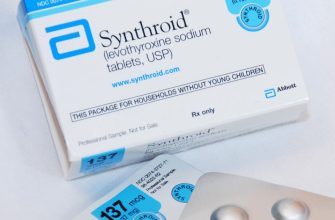
Levothyroxine is the generic name for Synthroid. This medication is a synthetic form of the thyroid hormone thyroxine (T4), used to treat hypothyroidism.
Understanding this simple fact can save you money. Generic levothyroxine is usually significantly cheaper than brand-name Synthroid, offering the same therapeutic benefits. Always consult your doctor before switching medications, however, to ensure a smooth transition and to discuss any potential concerns.
Pharmacies stock various levothyroxine formulations. Be sure to ask your pharmacist about available options and their pricing to find the best fit for your budget. Remember to compare dosages carefully as different brands may have variations in inactive ingredients. This information will help you make informed choices about your medication.
Important Note: Never change your medication without first consulting your physician. They can assess your individual needs and help you safely transition to a generic alternative if appropriate. Ignoring this advice may negatively impact your health.
- Generic Name for Synthroid Medication
- What is Synthroid and Why is Knowing the Generic Name Important?
- The Generic Name: Levothyroxine
- Understanding Dosage Equivalence Between Synthroid and Levothyroxine
- Factors Influencing Bioavailability
- Switching Brands: What to Expect
- Dosage Equivalence Chart (Illustrative Example)
- Consulting Your Doctor
- Finding Levothyroxine: Availability and Cost Considerations
- Comparing Prices
- Finding Your Medication
- Additional Tips
- Exploring Other Options
- Switching Medications: Consulting Your Doctor Before Changing Brands
- Understanding Excipients and Their Impact
- The Importance of Open Communication
Generic Name for Synthroid Medication
Synthroid’s generic name is levothyroxine. This is the active ingredient that replaces the thyroid hormone your body isn’t producing enough of.
Many pharmacies offer levothyroxine at a lower cost than brand-name Synthroid. Always check with your doctor or pharmacist before switching medications, as formulation differences may exist.
Be sure to discuss any concerns about cost or potential side effects with your healthcare provider. They can help you find the best option for your individual needs.
When filling your prescription, you can specifically request levothyroxine to obtain a more affordable alternative. Remember to inform your doctor of any changes to your medication regimen.
Levothyroxine comes in various dosages. Your physician will determine the correct dose based on your individual health assessment and lab results. Consistent adherence to your prescribed dosage is key to effective thyroid hormone replacement therapy.
What is Synthroid and Why is Knowing the Generic Name Important?
Synthroid is a brand-name medication containing levothyroxine, a synthetic form of thyroid hormone. Doctors prescribe it to treat hypothyroidism, a condition where your thyroid gland doesn’t produce enough hormones.
Understanding the generic name, levothyroxine, is crucial because it allows you to compare prices and find cost-effective alternatives. Many pharmacies offer levothyroxine under various brand names or as a generic. This price comparison saves you money without compromising medication quality.
Knowing the generic name also helps you communicate clearly with your pharmacist or doctor. This ensures accurate information exchange, particularly when discussing medication changes or potential interactions with other drugs.
Finally, familiarity with levothyroxine simplifies searching for information online. You can find independent reviews, research studies, and patient experiences by searching for “levothyroxine” rather than only “Synthroid”.
The Generic Name: Levothyroxine
Synthroid’s generic equivalent is levothyroxine. This is the active ingredient responsible for Synthroid’s effectiveness.
Levothyroxine is available from many manufacturers, often at a lower cost than brand-name Synthroid. This makes it a popular choice for patients.
- Cost Savings: Generic levothyroxine significantly reduces medication expenses.
- Bioequivalence: Generic versions are bioequivalent to Synthroid, meaning they’re absorbed and utilized by the body similarly.
- Availability: Numerous pharmacies stock various brands of generic levothyroxine, ensuring accessibility.
Choosing a generic levothyroxine doesn’t compromise treatment efficacy. However, always discuss any medication changes with your doctor. They can advise on the best option for your individual needs and monitor your progress effectively.
- Consult your physician: Before switching to a generic, have a conversation with your doctor.
- Monitor your symptoms: After starting a new medication, carefully observe your body’s response. Report any changes to your doctor.
- Consistent dosage: Take your medication as prescribed to maintain consistent blood levels of levothyroxine.
Remember, consistent monitoring and open communication with your healthcare provider are key to successful thyroid hormone replacement therapy, regardless of the brand you use.
Understanding Dosage Equivalence Between Synthroid and Levothyroxine
Synthroid and Levothyroxine are essentially the same medication: they both contain the synthetic thyroid hormone levothyroxine. Therefore, the dosage should be equivalent. However, slight differences in bioavailability exist between brands and formulations. This means the same stated dose might not produce identical results.
Factors Influencing Bioavailability
Several factors can influence how your body absorbs levothyroxine. These include the type of levothyroxine tablet (e.g., generic vs. brand-name, immediate-release vs. delayed-release), and your individual metabolism.
Switching Brands: What to Expect
If you switch brands, you may experience changes in your thyroid hormone levels. Your doctor will likely monitor your thyroid function through blood tests and adjust the dosage as needed to maintain the optimal level.
Dosage Equivalence Chart (Illustrative Example)
This table illustrates potential equivalency – always follow your doctor’s prescribed dosage:
| Synthroid (mcg) | Levothyroxine Generic (mcg) | Possible Adjustment Needed |
|---|---|---|
| 50 | 50 | Usually none; monitor thyroid levels |
| 100 | 100 | Usually none; monitor thyroid levels |
| 150 | 150 | Monitor closely; adjust based on blood tests. |
Note: This table is for illustrative purposes only. Individual responses vary. Never adjust your dosage without your doctor’s guidance.
Consulting Your Doctor
Always consult your doctor before switching brands or adjusting your levothyroxine dosage. They’ll help you find the right dosage to manage your hypothyroidism effectively and safely. Regular blood tests are crucial for monitoring your thyroid hormone levels and ensuring treatment effectiveness.
Finding Levothyroxine: Availability and Cost Considerations
Check your local pharmacy first. Many pharmacies stock generic levothyroxine, often at lower prices than name brands.
Comparing Prices
- Use online pharmacy comparison websites. These tools allow you to search for levothyroxine prices across various pharmacies, saving you time and potentially money.
- Consider using a pharmacy’s mail-order service. Mail-order pharmacies often offer discounted pricing, especially for prescription medications taken regularly.
- Explore manufacturer coupons or patient assistance programs. Some pharmaceutical companies provide financial assistance for their medications. Contact the manufacturer directly or check their website for details.
Remember to verify insurance coverage before purchasing. Your insurance provider may cover the cost of generic levothyroxine, reducing your out-of-pocket expenses.
Finding Your Medication
- Ask your doctor about generic alternatives. They can provide information on suitable options and discuss potential cost savings.
- Confirm dosage availability. Ensure the pharmacy stocks your prescribed dosage of levothyroxine. Different pharmacies may carry different strengths.
- Inquire about different formulations. Levothyroxine is available in tablets and liquid forms. Discuss the best form for you with your doctor and pharmacy.
Additional Tips
Don’t hesitate to contact your doctor or pharmacist with any questions regarding cost or availability. They are valuable resources in navigating medication access and affordability.
Exploring Other Options
If cost remains a barrier, consider discussing your financial situation with your healthcare provider. They may be able to refer you to resources that offer financial assistance for medication.
Switching Medications: Consulting Your Doctor Before Changing Brands
Always discuss brand changes with your doctor before switching. Different brands, even those containing the same active ingredient like levothyroxine (the active ingredient in Synthroid), can have varying inactive ingredients. These inactive ingredients, known as excipients, can affect how your body absorbs the medication. A change in absorption could lead to inconsistent levels of levothyroxine in your bloodstream, impacting your thyroid hormone levels and overall health.
Understanding Excipients and Their Impact
Excipients include fillers, binders, and coatings. Minor differences in these ingredients can cause significant variations in how quickly the medication dissolves and is absorbed. For example, one brand might use lactose, while another uses a different filler. If you have lactose intolerance, this could directly impact your ability to properly absorb the medication. Your doctor can help you choose a brand with excipients suitable for your individual needs and health conditions. They might even perform blood tests to monitor your thyroid hormone levels after a brand switch.
The Importance of Open Communication
Openly communicate any symptoms or concerns you experience after switching brands, even minor ones. These could be subtle changes, such as fatigue, weight fluctuations, or changes in mood. Your doctor can then assess if the new brand is appropriate or if adjustments need to be made, such as adjusting the dosage or switching to a different brand entirely. Regular blood tests are also key to monitoring your thyroid levels and ensuring your medication is effectively managing your condition.