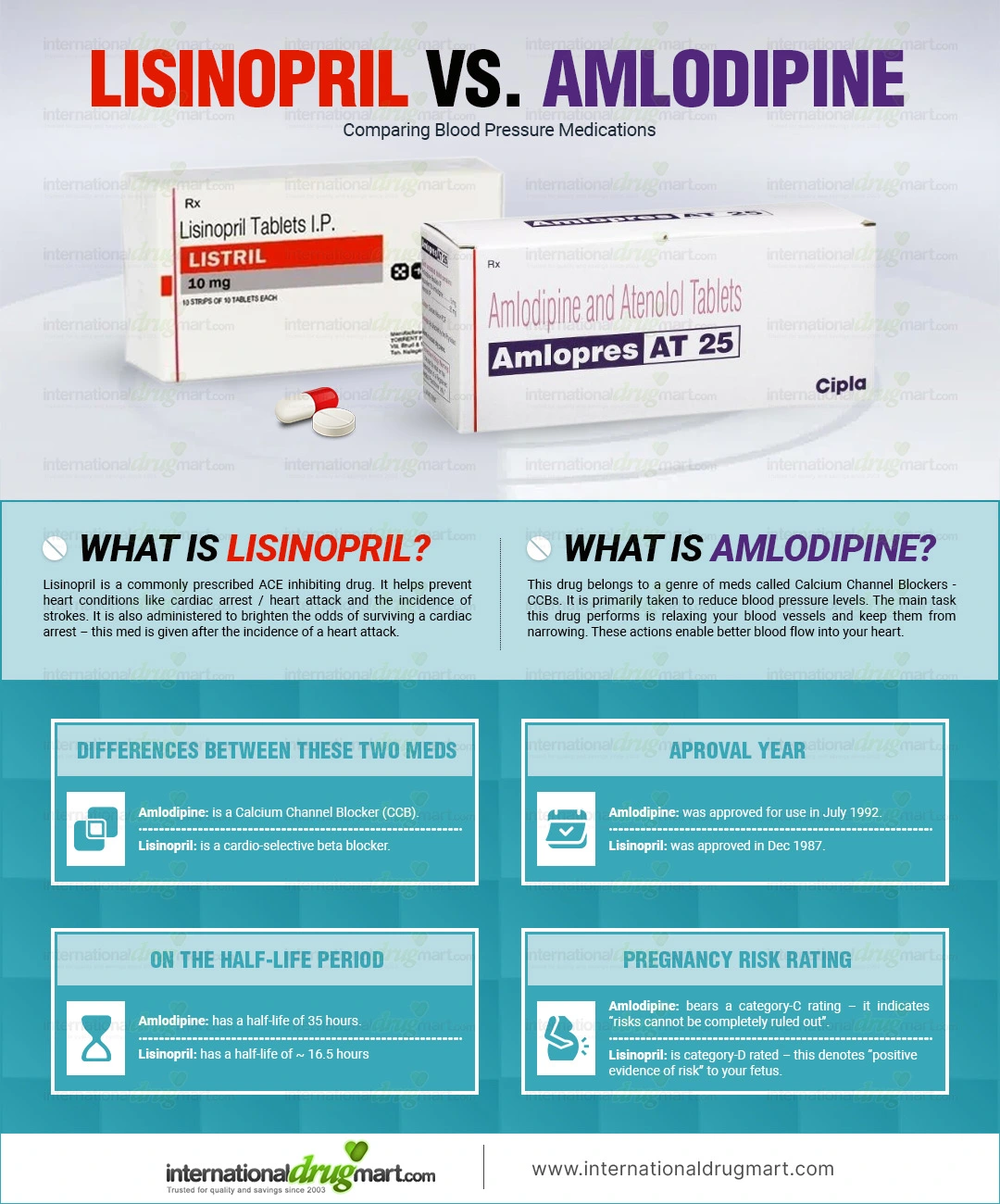
The half-life of Lisinopril is approximately 12 hours. This means that after 12 hours, half of the drug will be eliminated from your body. Understanding this duration is critical for effective medication management.
Several factors influence this 12-hour average. Kidney function plays a significant role; individuals with impaired renal function experience a longer elimination half-life, potentially requiring dosage adjustments. Age can also affect the metabolism and excretion of Lisinopril, influencing the time it takes to reach a steady state concentration in the blood.
Remember that these are averages, and individual responses vary. Always consult your physician or pharmacist for personalized advice regarding dosage and potential interactions with other medications. They can provide specific recommendations tailored to your unique health circumstances and ensure safe and effective Lisinopril use.
Important Note: This information is for educational purposes only and does not constitute medical advice. Always seek the guidance of a healthcare professional for any questions or concerns about your medication.
- Lisinopril Half-Life: A Detailed Overview
- Understanding Lisinopril’s Half-Life: What it Means
- Factors Affecting Lisinopril’s Half-Life: Age, Kidney Function, and More
- Lisinopril Half-Life and Dosage: Implications for Prescribing
- Lisinopril Half-Life and Drug Interactions: Potential Complications
- Monitoring Lisinopril Levels: When is it Necessary?
- Situations Requiring Lisinopril Level Monitoring
- Alternative Monitoring Strategies
- Lisinopril Half-Life and Missed Doses: Guidance for Patients
Lisinopril Half-Life: A Detailed Overview
Lisinopril’s half-life averages 12 hours. This means half the drug is eliminated from your body within that timeframe.
However, this is just an average. Several factors influence the actual elimination rate. Age plays a role; older adults might experience slower elimination. Kidney function significantly impacts half-life; impaired renal function prolongs it. Liver function also matters, although to a lesser extent than kidney function. Concurrent medication use can also affect lisinopril’s elimination.
Understanding the implications is key. A longer half-life suggests medication stays in your system longer, potentially increasing the risk of side effects. Conversely, a shorter half-life could mean less consistent blood pressure control. Your doctor considers these factors when prescribing and adjusting your dosage.
Always discuss your individual circumstances with your healthcare provider. They can tailor the dosage and monitoring schedule based on your specific needs and health status. They will determine the appropriate monitoring frequency based on your individual response to the medication and any pre-existing conditions.
Monitoring your blood pressure regularly, as instructed by your doctor, remains vital. This allows for precise adjustment of your lisinopril dosage to optimize treatment while mitigating potential side effects.
Understanding Lisinopril’s Half-Life: What it Means
Lisinopril’s half-life is approximately 12 hours. This means half the drug is eliminated from your body within 12 hours. The remaining half takes another 12 hours to be eliminated, and so on.
This relatively short half-life allows for consistent blood pressure control with once-daily dosing. However, individuals with impaired kidney function may experience a longer half-life, requiring dose adjustments or less frequent dosing. Your doctor will determine the appropriate dosage based on your specific needs.
Consistent dosing is key to maintaining therapeutic blood pressure levels. Missing doses can lead to fluctuations in blood pressure, potentially increasing your risk of adverse events. Always follow your doctor’s prescribed regimen.
While the half-life provides a general guideline, individual responses to Lisinopril vary. Factors like age, weight, and overall health influence drug metabolism. Regular monitoring of blood pressure and any potential side effects is crucial for personalized treatment.
If you experience any unexpected side effects or concerns about your Lisinopril prescription, immediately contact your healthcare provider. They can assess your situation and make necessary adjustments to your treatment plan.
Factors Affecting Lisinopril’s Half-Life: Age, Kidney Function, and More
Lisinopril’s half-life, typically around 12 hours, isn’t fixed; it varies based on several factors. Understanding these variations helps personalize treatment.
Age: Older adults often experience slower drug metabolism and elimination. This results in a prolonged half-life, increasing the risk of side effects. Careful dose adjustments are necessary.
Kidney Function: The kidneys primarily clear lisinopril from the body. Impaired kidney function significantly lengthens the half-life. Regular monitoring of creatinine clearance is critical to guide dosage. Reduced doses are frequently needed for patients with reduced kidney function.
- Severe kidney impairment may necessitate alternative medication.
- Creatinine clearance tests are fundamental for safe lisinopril use.
Liver Function: While the liver plays a smaller role in lisinopril metabolism compared to the kidneys, severe liver disease can impact its elimination. This necessitates close monitoring and potential dose adjustments. Consult your physician if you have liver problems.
Other Medications: Concurrent use of certain drugs, such as potassium-sparing diuretics, can influence lisinopril’s half-life and increase the risk of hyperkalemia. Always inform your doctor about all medications you’re taking.
- These interactions require close monitoring and possible dosage adjustments.
- A detailed medication history is crucial for safe prescribing.
Genetics: Genetic variations can affect drug metabolism, potentially influencing lisinopril’s half-life and response. While not routinely tested for, it’s a factor to keep in mind when considering treatment effectiveness and side effects.
Individual Variability: Even without underlying conditions, individual differences in metabolism can affect lisinopril’s half-life. Regular monitoring and close communication with your healthcare provider are paramount for optimal results and to minimize adverse events. Don’t hesitate to report any concerns about side effects.
Lisinopril Half-Life and Dosage: Implications for Prescribing
Lisinopril’s half-life is approximately 12 hours. This means that roughly half the drug is eliminated from the body within 12 hours. However, the duration of effect extends beyond this, due to its pharmacodynamic properties.
This relatively short half-life allows for once-daily dosing, simplifying patient adherence. However, renal impairment significantly prolongs the elimination half-life, requiring dosage adjustments. Consult prescribing guidelines for specific recommendations based on estimated glomerular filtration rate (eGFR).
Starting doses are generally low, typically 2.5-10 mg, particularly in older adults or patients with impaired renal function. Titration is key. Gradual increase, monitoring blood pressure and for side effects like cough or hyperkalemia, prevents adverse events. Maximum daily doses vary widely depending on the indication and patient factors.
Missed doses should be addressed carefully. Do not double the next dose. Patients should be instructed to take the missed dose as soon as they remember, unless it’s close to the next scheduled dose. Consistent adherence to the prescribed schedule is crucial for optimal blood pressure control.
Drug interactions are a factor. Concurrent use of other antihypertensive medications, NSAIDs, or potassium-sparing diuretics requires cautious monitoring and potential dosage adjustments for lisinopril to mitigate the risk of hypotension or hyperkalemia.
Regular monitoring of blood pressure and serum potassium levels is standard practice, particularly during initiation and titration of lisinopril. This allows for timely detection and management of potential problems, ensuring patient safety.
Lisinopril Half-Life and Drug Interactions: Potential Complications
Lisinopril’s half-life is approximately 12 hours, meaning it takes about that long for half the drug to leave your system. This relatively short half-life influences how your body processes the medication and interacts with other drugs. Understanding this is crucial for safe and effective use.
Certain drug combinations can significantly alter lisinopril’s effects, potentially causing harmful complications. These interactions mainly occur because lisinopril affects potassium levels in the blood.
- Potassium-sparing diuretics (e.g., spironolactone, amiloride): Combining these with lisinopril risks dangerously high potassium levels (hyperkalemia). Monitor your potassium levels closely if taking both medications.
- NSAIDs (e.g., ibuprofen, naproxen): NSAIDs can reduce lisinopril’s blood pressure-lowering effect. Your doctor may adjust your lisinopril dose or recommend an alternative pain reliever.
- Lithium: Lisinopril can increase lithium levels, leading to lithium toxicity. Regular blood tests are necessary if you take both medications.
- ACE inhibitors (similar to lisinopril): Taking another ACE inhibitor alongside lisinopril significantly increases the risk of side effects, particularly cough and angioedema (severe swelling).
Other medications may also interact, so always inform your doctor and pharmacist about all medications, supplements, and herbal remedies you’re taking. This includes over-the-counter drugs.
- Always provide a complete medication list to your doctor and pharmacist. This proactive step prevents dangerous interactions.
- Regularly monitor your blood pressure and potassium levels, especially when starting or changing medications.
- Immediately report any unusual symptoms, such as swelling, shortness of breath, dizziness, or irregular heartbeat, to your healthcare provider.
Careful monitoring and open communication with your healthcare team are essential for minimizing the risk of complications associated with lisinopril and its interactions with other drugs. Never stop taking lisinopril without consulting your doctor.
Monitoring Lisinopril Levels: When is it Necessary?
Generally, routine monitoring of lisinopril levels isn’t necessary for most patients. Your doctor will likely focus on monitoring your blood pressure and checking for side effects. However, specific situations may require level testing.
Situations Requiring Lisinopril Level Monitoring
Measuring lisinopril levels directly is rarely done because it’s difficult to accurately measure the active drug in the blood. Instead, healthcare providers primarily monitor the effect of the medication. However, there are some exceptions:
| Situation | Reason for Monitoring |
|---|---|
| Suspected overdose | To assess the severity of the overdose and guide treatment. |
| Kidney disease (severe) | Lisinopril is excreted by the kidneys; impaired kidney function can lead to accumulation and toxicity. Monitoring might be considered, but typically clinical signs (e.g., potassium levels, creatinine levels) are the primary focus. |
| Concomitant use of medications that interact with lisinopril | Certain drugs can affect lisinopril’s metabolism or efficacy. Monitoring might be considered in specific high-risk scenarios. This is usually addressed by adjusting dosages rather than direct level monitoring. |
| Lack of response to treatment | If blood pressure doesn’t improve despite adequate lisinopril dosage, other factors will be investigated before resorting to level testing. |
Alternative Monitoring Strategies
Instead of directly measuring lisinopril, doctors primarily monitor blood pressure, potassium levels (a potential side effect of lisinopril), and kidney function (creatinine levels). These indicators provide a more practical assessment of lisinopril’s effects and the patient’s overall health. Always discuss any concerns with your doctor.
Lisinopril Half-Life and Missed Doses: Guidance for Patients
Lisinopril’s half-life is approximately 12 hours. This means half the medication leaves your system within 12 hours. If you miss a dose, take it as soon as you remember, unless it’s almost time for your next dose. Never double up on doses.
Consistent dosing is key for effective blood pressure control. Missed doses can lead to temporary increases in blood pressure. While a single missed dose is unlikely to cause serious problems, regular missed doses significantly reduce the drug’s effectiveness.
Consider using a pill organizer or setting medication reminders on your phone to help you remember to take your medication. If you consistently forget doses, discuss this with your doctor. They may adjust your medication schedule or suggest strategies to improve medication adherence.
Unexpected changes in your health, such as increased thirst, dizziness, or swelling, could indicate a problem. Contact your healthcare provider immediately if you notice these symptoms or experience any other unusual changes in your health following a missed dose.
Your doctor can provide personalized advice based on your medical history and current health status. Always consult them before making any changes to your medication regimen. They are the best resource for addressing your specific concerns regarding lisinopril and missed doses.