Consider consulting a telehealth platform offering online consultations with licensed physicians for Clomid prescriptions. These platforms often streamline the process, providing convenient access to medical professionals who can assess your suitability for the medication and address any concerns. They offer a discreet alternative to traditional doctor’s visits.
Before pursuing any online option, meticulously research the platform’s legitimacy and physician credentials. Look for verification through relevant medical boards and reviews from other patients. Compare pricing structures and ensure the platform prioritizes patient safety and data privacy. Remember to fully disclose your medical history for accurate assessment.
Always prioritize your health. Understanding the potential side effects of Clomid, such as hot flashes, mood swings, and visual disturbances, is paramount. Discuss these potential risks and benefits thoroughly with a healthcare professional before starting any treatment. A personalized approach guarantees the safest and most effective use of the medication for your specific needs.
Disclaimer: This information is for educational purposes only and does not constitute medical advice. Always seek the advice of a qualified healthcare professional for any questions you may have regarding a medical condition. Never self-medicate.
- No Prescription Clomid: A Comprehensive Guide
- Understanding Clomid
- Accessing Clomid Without a Prescription: The Risks
- Finding a Doctor: Your Best Option
- Alternative Treatments and Lifestyle Changes
- Important Considerations
- Legal Ramifications
- In Conclusion
- Understanding the Risks of Buying Clomid Without a Prescription
- Dosage Errors and Side Effects
- Lack of Medical Supervision
- Legal Ramifications
- Alternatives to Unprescribed Clomid
- Finding Legitimate Online Pharmacies for Clomid (if applicable)
- Alternatives to Clomid for Infertility Treatment
- Injectable Medications
- Lifestyle Changes and Alternative Therapies
- Surgery
- Intrauterine Insemination (IUI)
- In Vitro Fertilization (IVF)
- Seeking Professional Medical Advice for Infertility
No Prescription Clomid: A Comprehensive Guide
Seek professional medical advice before considering Clomid. This guide provides information, but cannot replace a doctor’s consultation.
Understanding Clomid
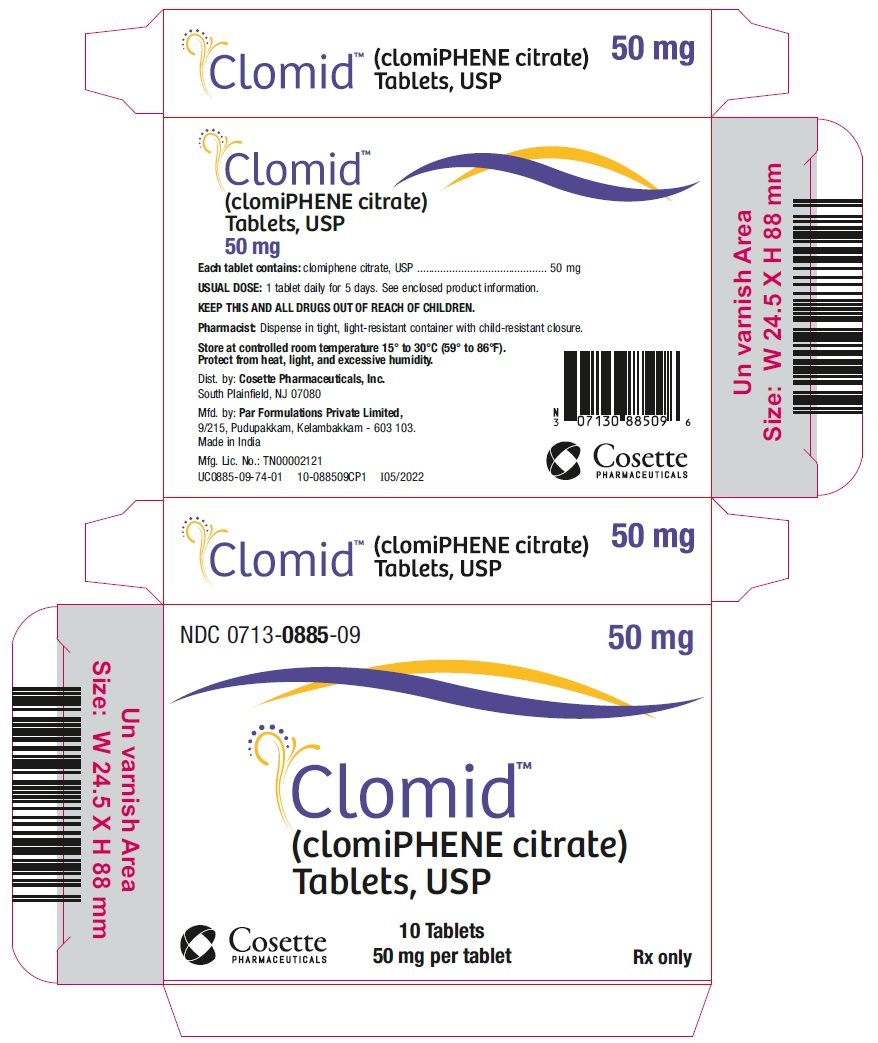
Clomid (clomiphene citrate) is a fertility drug stimulating ovulation. It works by influencing your body’s hormonal balance, increasing the chances of conceiving. Common side effects include hot flashes, mood swings, and headaches. Rarely, more serious complications occur; therefore, medical supervision is vital.
Accessing Clomid Without a Prescription: The Risks
Purchasing Clomid online without a prescription exposes you to significant dangers. Counterfeit medications are prevalent, potentially containing incorrect dosages or harmful substances. Lack of medical monitoring increases the risk of complications. Your health is at stake.
Finding a Doctor: Your Best Option
Locating a fertility specialist is crucial for safe and effective Clomid use. They’ll assess your individual needs, determine appropriate dosage, and monitor your progress, minimizing risks. Many online resources can help you find reproductive endocrinologists in your area.
Alternative Treatments and Lifestyle Changes
Before considering Clomid, explore lifestyle adjustments. Maintaining a healthy weight, balanced diet, and regular exercise often improves fertility naturally. Your doctor can discuss other treatment options if Clomid isn’t suitable.
Important Considerations
Clomid isn’t suitable for everyone. Pre-existing conditions, such as liver disease, may preclude its use. Multiple pregnancies are a potential risk, necessitating close monitoring. Open communication with your doctor is paramount.
Legal Ramifications
Purchasing prescription medication illegally carries legal penalties, potentially resulting in fines or other consequences. Prioritize your health and comply with regulations.
In Conclusion
Prioritize safety. Consult a doctor before using Clomid. Your health and well-being are paramount.
Understanding the Risks of Buying Clomid Without a Prescription
Avoid buying Clomid online without a prescription. Counterfeit medications are widespread, potentially containing incorrect dosages or harmful ingredients. This can lead to serious health consequences.
Dosage Errors and Side Effects
Accurate Clomid dosage is crucial for successful treatment and minimizing side effects. Without a doctor’s guidance, you risk taking too much or too little, leading to ovarian hyperstimulation syndrome (OHSS), multiple pregnancies, or treatment failure. Common side effects include headaches, mood swings, and visual disturbances. Incorrect dosage significantly increases these risks.
Lack of Medical Supervision
A doctor monitors your response to Clomid, adjusting the dosage or discontinuing treatment if necessary. Without this oversight, you miss early detection of potential problems. Serious complications like OHSS require immediate medical attention, which is impossible to obtain without a doctor’s involvement. Self-treating can have severe and lasting impacts on your health.
Legal Ramifications
Purchasing prescription medications without a prescription is illegal in many countries. This could result in fines or legal repercussions. The consequences vary by jurisdiction, but purchasing counterfeit drugs intensifies these risks. Protecting yourself legally is a critical aspect to consider.
Alternatives to Unprescribed Clomid
Discuss infertility treatments with a fertility specialist. They can recommend appropriate treatment plans, address underlying causes of infertility, and monitor your progress closely. Consider other options to improve chances of conception and manage any health risks effectively.
Finding Legitimate Online Pharmacies for Clomid (if applicable)
Verify online pharmacies’ accreditation through verification websites like LegitScript or PharmacyChecker. These sites check for licensing and compliance with regulations.
Check for secure payment gateways (HTTPS) and look for customer testimonials and reviews on independent platforms. Avoid sites with overwhelmingly positive reviews – they can be fake.
Contact the pharmacy directly. Ask specific questions about their licensing, pharmacists’ qualifications, and shipping methods. Legitimate pharmacies are transparent and responsive.
Scrutinize the website for professionalism. Look for clear contact information, a physical address, and detailed product information, including the manufacturer’s details.
Compare prices across multiple verified pharmacies, but remember that the cheapest option isn’t always the safest. Prioritize safety and legitimacy over price.
Always consult your doctor before ordering medication online. They can advise on safe sourcing and potential interactions with other medications.
Report suspicious online pharmacies to relevant authorities. Your report can help protect others from potential harm.
Alternatives to Clomid for Infertility Treatment
Consider Letrozole. This medication is often prescribed as a first-line alternative to Clomid for women with ovulation problems. It’s a type of aromatase inhibitor, working differently than Clomid to stimulate ovulation. Studies show similar pregnancy rates for both medications in many cases, but Letrozole may have fewer side effects for some patients.
Injectable Medications
Gonadotropins, like follicle-stimulating hormone (FSH) and luteinizing hormone (LH), offer another avenue. These injectable medications directly stimulate the ovaries, providing more precise control over the ovulation process. This approach is often favored for women with more severe ovulation disorders or those who haven’t responded to Clomid or Letrozole. Discuss the potential benefits and risks of this option thoroughly with your fertility specialist.
Lifestyle Changes and Alternative Therapies
Before considering medication, optimize your lifestyle. Maintaining a healthy weight, regular exercise, stress management techniques, and a balanced diet can significantly improve fertility. Acupuncture and other complementary therapies might support fertility treatment, though more research is needed to confirm their efficacy. Remember to consult with your doctor to integrate these into your overall plan.
Surgery
In cases of blocked fallopian tubes or other structural issues, surgical intervention may be necessary. Techniques like laparoscopy can correct these problems, paving the way for conception. Your fertility specialist will assess whether surgery is an appropriate step for your specific situation.
Intrauterine Insemination (IUI)
IUI involves placing sperm directly into the uterus, increasing the chances of fertilization. This procedure is frequently combined with ovulation-inducing medications like Letrozole or gonadotropins, boosting its success rate.
In Vitro Fertilization (IVF)
If other treatments fail, IVF might be considered. This advanced reproductive technology involves fertilizing eggs outside the body and then transferring the embryos into the uterus. IVF addresses various infertility factors that other methods cannot resolve.
Remember: This information is for educational purposes only and does not replace professional medical advice. A fertility specialist can evaluate your unique circumstances and recommend the most suitable course of treatment.
Seeking Professional Medical Advice for Infertility
Schedule a consultation with a reproductive endocrinologist or fertility specialist. These doctors specialize in diagnosing and treating infertility.
Before your appointment, gather your medical history, including details about previous pregnancies, surgeries, and any existing medical conditions. Also, note the length of time you’ve been trying to conceive.
- Expect a thorough physical exam and potentially blood tests to assess hormone levels.
- Your partner will likely need a semen analysis to evaluate sperm quality and count.
- Further testing, such as ultrasound scans or hysterosalpingography, may be recommended to examine the reproductive organs.
Discuss your family history of infertility with your doctor. Genetic factors can play a role.
Be open and honest about your lifestyle choices, including diet, exercise, and substance use. These factors can significantly affect fertility.
- Actively participate in the discussions with your healthcare provider to understand your diagnosis and treatment options.
- Ask questions. Clarify anything you don’t understand. Your doctor is there to guide you.
- Explore various treatment options, such as medication, intrauterine insemination (IUI), or in-vitro fertilization (IVF), weighing the benefits and risks of each.
- Follow your doctor’s advice meticulously. Adherence to the treatment plan is vital for success.
Remember, seeking help is a sign of strength, not weakness. Many couples face infertility, and there are numerous effective treatments available. Support groups can offer valuable emotional and practical assistance during this process.