For contact dermatitis, Prednisone dosages typically range from 10 to 60 mg daily, depending on the severity of your condition. Your doctor will determine the best dosage for you based on a thorough examination and your medical history. This is not a one-size-fits-all solution; individual needs vary significantly.
Oral Prednisone provides effective anti-inflammatory relief. Short courses, usually lasting one to two weeks, are often prescribed to manage acute flare-ups. Longer-term use should be carefully monitored due to potential side effects. Remember to always follow your doctor’s instructions precisely.
Important note: Never adjust your Prednisone dosage without consulting your physician. Abrupt cessation can lead to withdrawal symptoms. Always discuss any concerns or side effects you experience with your healthcare provider. They can adjust the treatment plan if necessary, ensuring you receive optimal benefits with minimal risk.
Potential side effects include increased appetite, weight gain, mood changes, and sleep disturbances. These are common but not inevitable, and your doctor can help manage them. Early identification and proactive management improve your chances of a smooth recovery.
- Prednisone Dosage for Contact Dermatitis: A Detailed Guide
- Understanding Contact Dermatitis and its Severity
- Factors Influencing Severity
- Assessing Severity: A Practical Guide
- Identifying the Allergen
- Prednisone’s Role in Treating Contact Dermatitis
- When Prednisone is Considered
- Dosage and Administration
- Potential Side Effects
- Alternative and Complementary Treatments
- Disclaimer:
- Determining the Appropriate Prednisone Dosage
- Administering Prednisone Safely and Effectively
- Potential Side Effects and Precautions of Prednisone Use
- Gastrointestinal Issues
- Other Potential Side Effects
- Monitoring Progress and Adjusting Dosage
Prednisone Dosage for Contact Dermatitis: A Detailed Guide
Prednisone isn’t a first-line treatment for contact dermatitis. Topical corticosteroids are generally preferred. However, in severe cases, a doctor might prescribe oral prednisone to reduce inflammation quickly.
Dosage depends entirely on the severity of the reaction and your individual health. Your doctor will determine the appropriate dose and duration. Typical starting doses range from 20 to 60 mg daily, often tapered down gradually over several weeks to prevent rebound inflammation. Higher doses are generally used for shorter periods.
Common side effects include weight gain, increased appetite, mood changes, insomnia, and increased blood sugar. Long-term use can lead to more serious issues, such as osteoporosis and immune suppression. Therefore, short-term treatment is the goal. Always follow your doctor’s instructions carefully.
Never adjust your dosage without consulting your doctor. Abruptly stopping prednisone can worsen your symptoms. The tapering schedule helps your body adjust gradually. Closely monitor any side effects and report them promptly to your physician.
Remember, this guide provides general information. Your doctor will tailor the treatment to your specific needs. They’ll consider factors such as the extent of your rash, your overall health, and any other medications you’re taking.
Understanding Contact Dermatitis and its Severity
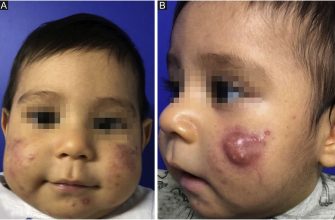
Contact dermatitis severity ranges from mild irritation to severe blistering. Mild cases show redness, itching, and minor swelling. Moderate cases involve increased inflammation, weeping, and crusting. Severe cases present with significant swelling, intense itching, blistering, and potentially secondary infection.
Factors Influencing Severity
Several factors determine the severity of your reaction. The allergen’s potency plays a significant role; some substances cause stronger reactions than others. The concentration of the allergen matters – higher concentrations usually lead to more intense reactions. Your individual sensitivity also influences the reaction; some people are more prone to severe reactions than others. Finally, the duration of exposure to the allergen impacts the reaction’s severity – longer exposure tends to worsen symptoms.
Assessing Severity: A Practical Guide
You can assess the severity using the following guidelines. Remember to consult a dermatologist for accurate diagnosis and treatment.
| Severity | Symptoms | Treatment Considerations |
|---|---|---|
| Mild | Redness, mild itching, slight swelling | Topical corticosteroids, cool compresses |
| Moderate | Increased redness, significant itching, weeping, crusting | Higher potency topical corticosteroids, possibly oral antihistamines |
| Severe | Extensive swelling, intense itching, blistering, possible infection | High-potency topical or oral corticosteroids, antibiotics if infected, potential hospitalization |
Identifying the Allergen
Pinpointing the culprit is crucial for preventing future reactions. Keep a detailed diary of all skin contact to help your dermatologist identify the allergen. Patch testing can definitively identify allergens causing your reaction.
Prednisone’s Role in Treating Contact Dermatitis
Prednisone, a corticosteroid, isn’t a first-line treatment for contact dermatitis. It targets inflammation, but doesn’t address the underlying allergen or irritant. Doctors usually prescribe it for severe cases only, when other treatments fail to provide adequate relief.
When Prednisone is Considered
Consider Prednisone if you experience:
- Widespread, intensely itchy rashes unresponsive to topical corticosteroids.
- Severe swelling or blistering.
- Significant impact on daily life due to the severity of symptoms.
The decision to use Prednisone involves careful consideration of risks and benefits. It’s not suitable for all cases, and your doctor will assess your individual needs.
Dosage and Administration
Dosage varies based on the severity of your condition and your response to treatment. Your doctor will determine the appropriate dose and duration of treatment, carefully monitoring for side effects.
- Oral Administration: Prednisone is typically taken orally (by mouth).
- Tapering: Abrupt cessation can lead to withdrawal symptoms. Your doctor will create a tapering schedule to gradually reduce your dosage over time, minimizing these risks.
- Monitoring: Regular check-ups are crucial while taking Prednisone to monitor your condition and detect any adverse effects.
Potential Side Effects
Prednisone can cause side effects, including:
- Increased appetite and weight gain.
- Mood changes (irritability, anxiety, depression).
- Increased blood sugar levels.
- High blood pressure.
- Weakened immune system.
It’s vital to discuss any potential side effects with your healthcare provider promptly.
Alternative and Complementary Treatments
Remember that Prednisone addresses symptoms, not the root cause of contact dermatitis. Your doctor may suggest additional strategies such as identifying and avoiding allergens, using topical corticosteroids, or antihistamines for symptom relief.
Disclaimer:
This information is for educational purposes only and does not constitute medical advice. Always consult your doctor before starting any medication, including Prednisone.
Determining the Appropriate Prednisone Dosage
Prednisone dosage for contact dermatitis varies greatly depending on the severity of your condition and your individual response to the medication. Your doctor will tailor the dosage to your specific needs. Generally, treatment begins with a higher dose to quickly control inflammation, followed by a gradual tapering.
For mild cases, a low dose, such as 5-10mg daily, might suffice. Moderate cases often require 10-20mg daily. Severe cases may necessitate higher doses, possibly up to 40-60mg daily, but these are typically short-term to avoid significant side effects.
The duration of treatment also fluctuates, depending on individual response. Some individuals might see improvement within a week, while others may require several weeks of treatment. Your doctor will monitor your progress closely and adjust the dosage and duration accordingly. Always follow your doctor’s instructions meticulously.
Remember, prednisone is a powerful medication with potential side effects. Be sure to discuss any concerns with your physician. Open communication with your doctor is key to safe and effective treatment.
Regular blood tests might be necessary to monitor for potential side effects, especially with higher doses or prolonged use. Your doctor will guide you on this aspect.
Never adjust your dosage without consulting your doctor. Sudden changes can negatively impact your health. Always prioritize medical supervision throughout your prednisone treatment.
Administering Prednisone Safely and Effectively
Always follow your doctor’s prescribed dosage and schedule. Never adjust your dose without consulting them.
Take Prednisone with food to minimize stomach upset. A light meal or snack works well.
Drink plenty of water throughout the day to stay hydrated, especially during higher doses.
Avoid alcohol consumption while on Prednisone, as it can increase the risk of side effects.
Report any unusual symptoms, such as weight gain, swelling, or mood changes, to your physician immediately. This includes worsening skin conditions.
Understand that Prednisone withdrawal should always be gradual, as directed by your doctor. Abrupt cessation can cause serious health problems.
Store Prednisone in a cool, dry place, away from children and pets. Always check the expiration date before use.
Keep a detailed record of your Prednisone use, including dosage and any side effects experienced. Share this information with your doctor during follow-up appointments.
Discuss potential drug interactions with your pharmacist and physician. This is especially important if you are using other medications.
Inform your doctor about any allergies or underlying health conditions before starting Prednisone treatment.
Potential Side Effects and Precautions of Prednisone Use
Prednisone, while effective for contact dermatitis, carries potential side effects. Increased blood sugar levels are common, particularly in individuals with diabetes or a family history of the condition. Regular blood sugar monitoring is advised during treatment.
Weight gain, often due to fluid retention, is another possibility. Maintaining a healthy diet and engaging in regular physical activity can help mitigate this. Consult your doctor about appropriate exercise regimens during treatment.
Gastrointestinal Issues
Prednisone can irritate the stomach lining, causing indigestion, heartburn, or even ulcers. Taking prednisone with food can lessen these effects. Your doctor might prescribe medication to protect your stomach lining. Report any persistent stomach pain immediately.
Other Potential Side Effects
Mood changes, including irritability, anxiety, or insomnia, are possible. Good sleep hygiene and stress-reduction techniques can be helpful. If these persist or worsen, seek medical advice. Increased risk of infection is another concern; practice good hygiene and report any signs of infection to your doctor.
Prednisone can weaken bones over extended periods, increasing the risk of fractures. Calcium and Vitamin D supplements, along with weight-bearing exercise, are often recommended to minimize this risk. Long-term use may also affect blood pressure and require monitoring.
Always inform your doctor about all medications you are taking, including over-the-counter drugs and supplements, to avoid harmful interactions. Suddenly stopping prednisone can cause withdrawal symptoms; tapering off the medication under medical supervision is crucial.
Monitoring Progress and Adjusting Dosage
Regularly check your skin for improvements. Note the reduction in redness, swelling, and itching. Your doctor will likely schedule follow-up appointments to assess your progress.
Dosage adjustments depend entirely on your response to treatment. Here’s what to expect:
- Significant Improvement: If your symptoms significantly improve within a week or two, your doctor might gradually reduce your prednisone dosage to minimize side effects. This reduction will be slow and carefully monitored.
- Moderate Improvement: With moderate improvement, the dosage might remain the same for a while before a gradual reduction is considered. Close monitoring is key.
- Minimal or No Improvement: Lack of improvement might necessitate a dosage increase, possibly a switch to a different treatment, or further investigation of the underlying cause.
Remember, abruptly stopping prednisone can cause withdrawal symptoms. Always follow your doctor’s instructions for tapering the dosage.
- Report any side effects: These could include increased appetite, weight gain, mood changes, or insomnia. Report these promptly to your doctor.
- Maintain open communication: Honest and frequent communication with your doctor is crucial for effective management of your contact dermatitis and prednisone treatment.
- Follow-up appointments are vital: Attend all scheduled follow-up appointments to allow your doctor to monitor your progress and adjust your treatment plan as needed.
Your doctor will guide you through the entire process. Trust their expertise and actively participate in your treatment plan for optimal results.