Need to understand Propranolol HCL ER 60? This extended-release formulation provides a steady supply of propranolol throughout the day, minimizing fluctuations in blood levels. This consistent delivery is crucial for managing conditions like hypertension and anxiety.
Remember to consult your physician before starting any medication, including this one. Dosage adjustments are frequently necessary based on individual responses and health conditions. Your doctor will determine the appropriate dose for you, considering factors like your age, weight, and overall health. Don’t adjust your dosage without their explicit guidance.
Common side effects include dizziness, fatigue, and nausea. These are usually mild and temporary. However, if you experience severe side effects, such as shortness of breath or chest pain, seek immediate medical attention. Always report any unusual symptoms to your healthcare provider.
Proper storage is vital to maintaining medication efficacy. Store Propranolol HCL ER 60 in a cool, dry place, away from direct sunlight and moisture. Follow the instructions on your prescription label diligently. This ensures your medication remains potent and effective.
This information is for educational purposes only and does not constitute medical advice. Always consult a healthcare professional for diagnosis and treatment.
- Propranolol HCL ER 60: A Comprehensive Guide
- Understanding Propranolol HCL ER 60: What is it?
- How it Works
- Common Uses
- Important Considerations
- Disclaimer
- Dosage and Administration: How to take Propranolol HCL ER 60
- Timing Your Dose
- Missed Dose
- Potential Interactions
- Storage
- Common Uses: What conditions does it treat?
- Cardiovascular Conditions
- Other Conditions
- Important Note:
- Potential Side Effects: What to watch out for
- Drug Interactions: Medications to avoid while taking Propranolol HCL ER 60
- Precautions and Warnings: Who should not take Propranolol HCL ER 60
- Overdose and Emergency Treatment: What to do in case of an overdose
Propranolol HCL ER 60: A Comprehensive Guide
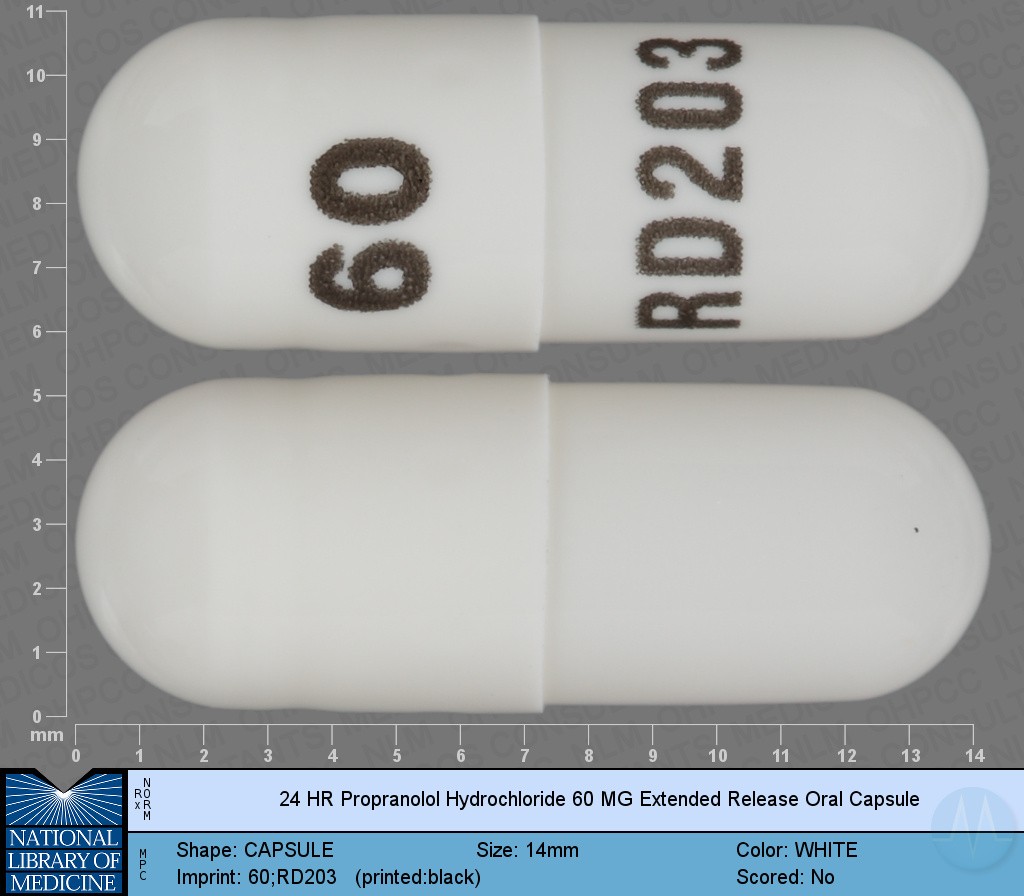
Propranolol HCL ER 60 mg provides sustained release of propranolol, a beta-blocker, over 24 hours. This extended-release formulation minimizes fluctuations in blood levels, promoting consistent therapeutic effects and reducing side effects associated with peak plasma concentrations.
Common uses include managing hypertension, angina, migraine prophylaxis, and performance anxiety. Dosage is tailored to individual needs and conditions, so always follow your doctor’s instructions.
Potential side effects include dizziness, fatigue, nausea, and bradycardia (slow heart rate). Inform your doctor immediately if you experience severe side effects or those not listed in the medication’s leaflet. Regular monitoring of blood pressure and heart rate is often recommended, especially during initial treatment phases.
Interactions with other medications are possible. Always disclose all medications, supplements, and herbal remedies you’re taking to your doctor or pharmacist to avoid harmful interactions. Grapefruit juice can significantly influence propranolol absorption; avoid consuming it while taking this medication.
Before starting Propranolol HCL ER 60, discuss any pre-existing medical conditions, particularly heart problems, breathing difficulties, or liver/kidney impairment, with your healthcare provider. Pregnancy and breastfeeding should also be openly discussed as propranolol may pass into breast milk.
Store Propranolol HCL ER 60 at room temperature, away from moisture and direct sunlight. Keep it out of reach of children. Discard any expired medication properly according to local regulations.
This information is for educational purposes only and should not be considered medical advice. Always consult your physician or pharmacist for personalized guidance regarding your medication.
Understanding Propranolol HCL ER 60: What is it?
Propranolol HCL ER 60 is a medication containing 60 milligrams of propranolol hydrochloride in an extended-release formulation. This means the medication is designed to release the active ingredient, propranolol, slowly over an extended period, typically 12 hours, providing a more consistent level in your bloodstream compared to immediate-release versions.
How it Works
Propranolol is a beta-blocker. Beta-blockers work by blocking the effects of adrenaline (epinephrine) and noradrenaline (norepinephrine) on the heart and blood vessels. This reduces heart rate, blood pressure, and the force of heart contractions. The extended-release formulation helps maintain these effects throughout the day.
Common Uses
Propranolol HCL ER 60 is commonly prescribed for several conditions. These include:
| Condition | Explanation |
|---|---|
| High blood pressure (hypertension) | Reduces heart rate and blood vessel constriction. |
| Angina | Reduces the heart’s workload, lessening chest pain. |
| Migraines | Helps prevent migraine headaches by reducing blood vessel dilation. |
| Tremors (e.g., essential tremor) | Reduces muscle shaking. |
| Performance anxiety | Reduces physical symptoms of anxiety, such as rapid heartbeat. |
Important Considerations
Always follow your doctor’s instructions for dosage and administration. Do not stop taking this medication abruptly without consulting your physician. Propranolol can interact with other medications, so inform your doctor of all medications you are currently taking. Common side effects include fatigue, dizziness, and nausea. Seek immediate medical attention if you experience severe side effects or allergic reactions.
Disclaimer
This information is for educational purposes only and should not be considered medical advice. Always consult with your doctor or pharmacist before starting or changing any medication.
Dosage and Administration: How to take Propranolol HCL ER 60
Always follow your doctor’s instructions precisely. The typical starting dose is one 60mg extended-release tablet once daily. Your doctor may adjust this based on your response and individual needs. Take the tablet whole; do not crush, chew, or break it. This ensures the medication is released slowly throughout the day.
Timing Your Dose
Consistency is key. Take your Propranolol HCL ER 60 at roughly the same time each day, preferably with a meal or snack, to minimize potential stomach upset. This helps maintain a consistent level of the medication in your bloodstream.
Missed Dose
If you miss a dose, take it as soon as you remember, unless it’s almost time for your next dose. Never double up on doses to make up for a missed one. Contact your doctor if you frequently miss doses.
Potential Interactions
Inform your doctor about all medications you are currently taking, including over-the-counter drugs, herbal supplements, and vitamins. Certain medications can interact with Propranolol HCL ER 60. This information is vital for safe and effective treatment.
Storage
Store Propranolol HCL ER 60 at room temperature, away from moisture and direct sunlight. Keep it out of reach of children and pets.
Common Uses: What conditions does it treat?
Propranolol HCL ER 60 mg treats several conditions by slowing your heart rate and relaxing blood vessels. This makes it effective for managing various health concerns.
Cardiovascular Conditions
- High blood pressure (hypertension): Propranolol helps lower blood pressure by reducing the force and rate of your heartbeat.
- Angina: It reduces the heart’s workload, lessening chest pain caused by reduced blood flow to the heart.
- Heart rhythm problems (arrhythmias): It helps regulate irregular heartbeats in certain types of arrhythmias.
- Hypertrophic cardiomyopathy: By decreasing the heart’s contractility, it improves symptoms associated with this condition.
Other Conditions
- Migraines: Propranolol can help prevent migraine headaches, though it’s not used to treat an acute migraine attack.
- Essential tremor: It reduces the shaking associated with this neurological disorder.
- Performance anxiety (stage fright): By reducing anxiety symptoms, it can improve performance in situations that trigger nervousness.
- Pheochromocytoma: Propranolol helps control high blood pressure episodes associated with this rare adrenal gland tumor.
- Post-traumatic stress disorder (PTSD): In some cases, it may help manage the physical symptoms of anxiety related to PTSD.
Important Note:
This information is for general knowledge and doesn’t replace professional medical advice. Always consult your doctor before starting any medication, including Propranolol HCL ER 60 mg. They can assess your individual health needs and determine the appropriate dosage and treatment plan.
Potential Side Effects: What to watch out for
Propranolol HCL ER 60, while generally safe and effective, can cause side effects. Knowing what to expect can help you manage them.
Common side effects often resolve on their own, but if they persist or worsen, contact your doctor:
- Dizziness or lightheadedness
- Fatigue
- Nausea
- Cold hands and feet
- Sleep disturbances
- Constipation or diarrhea
Less common, but potentially serious side effects require immediate medical attention:
- Slow heart rate (bradycardia)
- Low blood pressure (hypotension)
- Shortness of breath
- Wheezing or difficulty breathing
- Swelling in your ankles, feet, or legs
- Severe allergic reactions (rash, hives, itching, swelling of the face, lips, or tongue)
- Mental changes, such as depression or confusion
Specific considerations:
- Diabetes: Propranolol can mask the symptoms of low blood sugar. Regular blood sugar monitoring is advised.
- Asthma or COPD: Propranolol can worsen breathing problems. Discuss this with your doctor before starting treatment.
- Liver or kidney disease: Your doctor may need to adjust your dose.
This information is not a substitute for professional medical advice. Always discuss potential side effects with your doctor or pharmacist before taking Propranolol HCL ER 60, or if you experience any concerning symptoms.
Drug Interactions: Medications to avoid while taking Propranolol HCL ER 60
Avoid combining Propranolol HCL ER 60 with certain medications to prevent potentially dangerous interactions. Specifically, avoid using it concurrently with:
1. Calcium channel blockers: Combining these can significantly lower your heart rate and blood pressure, potentially causing dizziness or fainting. This includes medications like Verapamil and Diltiazem.
2. Other Beta-blockers: Taking multiple beta-blockers simultaneously can lead to dangerously low heart rate and blood pressure. Consult your doctor before combining with any other beta-blocker.
3. Certain antidepressants (MAOIs): Monoamine oxidase inhibitors (MAOIs) can interact negatively with propranolol, potentially increasing blood pressure. Discuss any antidepressant use with your physician.
4. Digoxin: Propranolol can increase the levels of digoxin in your blood, possibly leading to toxicity. Monitor digoxin levels carefully if you must use both medications.
5. Insulin or oral hypoglycemics: Propranolol can mask the symptoms of low blood sugar (hypoglycemia), making it harder to detect and treat. Closely monitor your blood sugar levels if you take diabetes medication.
6. Cimetidine: This medication can increase the levels of propranolol in your blood, intensifying its effects.
This is not an exhaustive list. Always inform your doctor and pharmacist about all medications, supplements, and herbal remedies you are taking, before starting or changing any medication, including Propranolol HCL ER 60. This ensures they can assess potential interactions and adjust your treatment plan accordingly to minimize risks.
Precautions and Warnings: Who should not take Propranolol HCL ER 60
Avoid Propranolol HCL ER 60 if you have a history of severe allergic reactions to beta-blockers. This includes symptoms like difficulty breathing, swelling of the face, lips, or tongue, or hives.
Do not use Propranolol HCL ER 60 if you have severe heart conditions such as sick sinus syndrome or second- or third-degree atrioventricular block (unless you’re under close medical supervision with a pacemaker).
Patients with uncontrolled heart failure should avoid this medication. Similarly, those with Prinzmetal’s angina (variant angina) should not take Propranolol HCL ER 60 because it can worsen symptoms.
Caution is advised for individuals with pheochromocytoma (a tumor affecting the adrenal gland). Propranolol should only be used under strict medical supervision in these cases.
Consult your doctor before taking Propranolol HCL ER 60 if you have any breathing problems, such as asthma or chronic obstructive pulmonary disease (COPD). The medication may worsen these conditions.
People with a history of depression or other mental health issues should discuss potential risks with their physician before starting Propranolol HCL ER 60. Beta-blockers can sometimes worsen such conditions.
Diabetes patients need to monitor their blood sugar levels closely while using Propranolol HCL ER 60, as it may mask the symptoms of hypoglycemia (low blood sugar).
Propranolol HCL ER 60 can affect thyroid function tests. Your doctor should be aware if you have thyroid problems.
Overdose and Emergency Treatment: What to do in case of an overdose
Call 911 or your local emergency number immediately. This is the most critical step. Do not delay.
Provide the emergency operator with the following information: the patient’s age and weight, the amount of Propranolol HCL ER 60 ingested, and the time of ingestion. Describe any symptoms the patient is exhibiting, such as slow heart rate, low blood pressure, dizziness, or shortness of breath.
If the patient is conscious and alert, and the emergency services are en route, carefully monitor their vital signs. Observe their breathing, heart rate, and level of consciousness. Note any changes and relay this information to the emergency responders.
Follow any instructions given by emergency medical personnel. They may recommend inducing vomiting (though this is not always recommended), administering activated charcoal, or providing other supportive care.
After emergency treatment, ensure close follow-up with the prescribing physician or a healthcare professional. They can assess the patient’s condition, adjust medication, and offer guidance on preventing future overdoses.
Keep all medications out of reach of children and individuals at risk of accidental ingestion. Securely store medications in child-resistant containers.